The United Nations Security Council was briefed on 26 August 2026 on a sharp deterioration across the Occupied Palestinian Territories, with the West Bank drawing particular attention. In a single week, Israeli operations injured more than 50 Palestinians, 25 Palestinian-owned structures were demolished, and 38 settler attacks were reported, according to figures the UN Special Envoy set out to the Council. The pattern is the one that matters for anyone planning movement: formal military operations, administrative demolitions and unpredictable settler violence, layered across the same ground.
In Gaza, the Council heard that the ceasefire remains fragile and that most residents are still internally displaced in harsh conditions, with 90 per cent of people facing moderate-to-high water insecurity as of July. Strikes have continued despite the truce. The humanitarian baseline is severe and the security picture can shift with little warning.
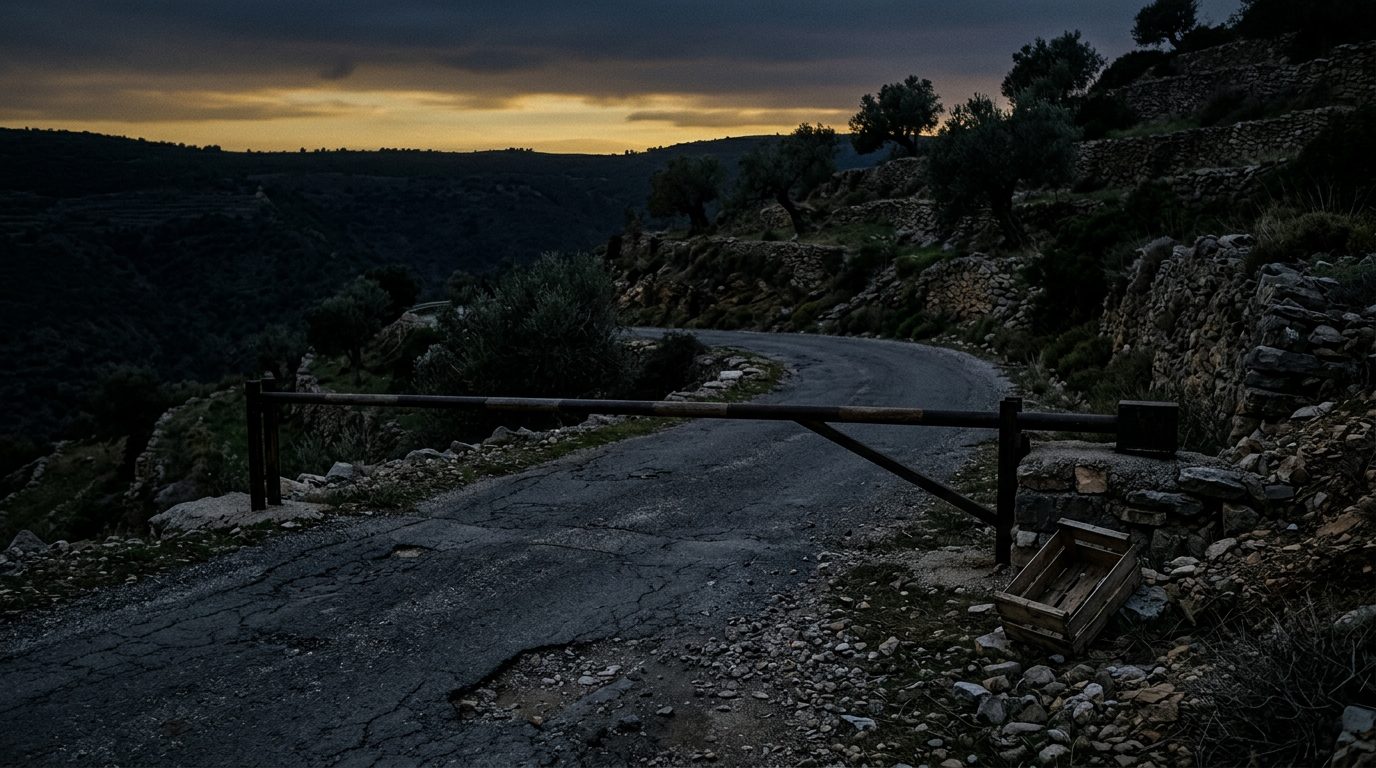
For close protection, the West Bank is the immediate operational concern. Settler attacks at that reported weekly rate are a live and mobile threat that can close a route or turn a checkpoint hostile without notice, and they sit alongside a steady tempo of military operations and demolitions that reshape access from day to day. Teams operating in or transiting the West Bank should treat settlement-adjacent roads, checkpoint approaches and rural areas as high exposure, build flexible routing and hard timings around known flashpoints, and confirm the current FCDO posture at planning stage rather than relying on a static picture. The ceasefire in Gaza does not lower the West Bank threat, and it should not be read as a wider de-escalation.