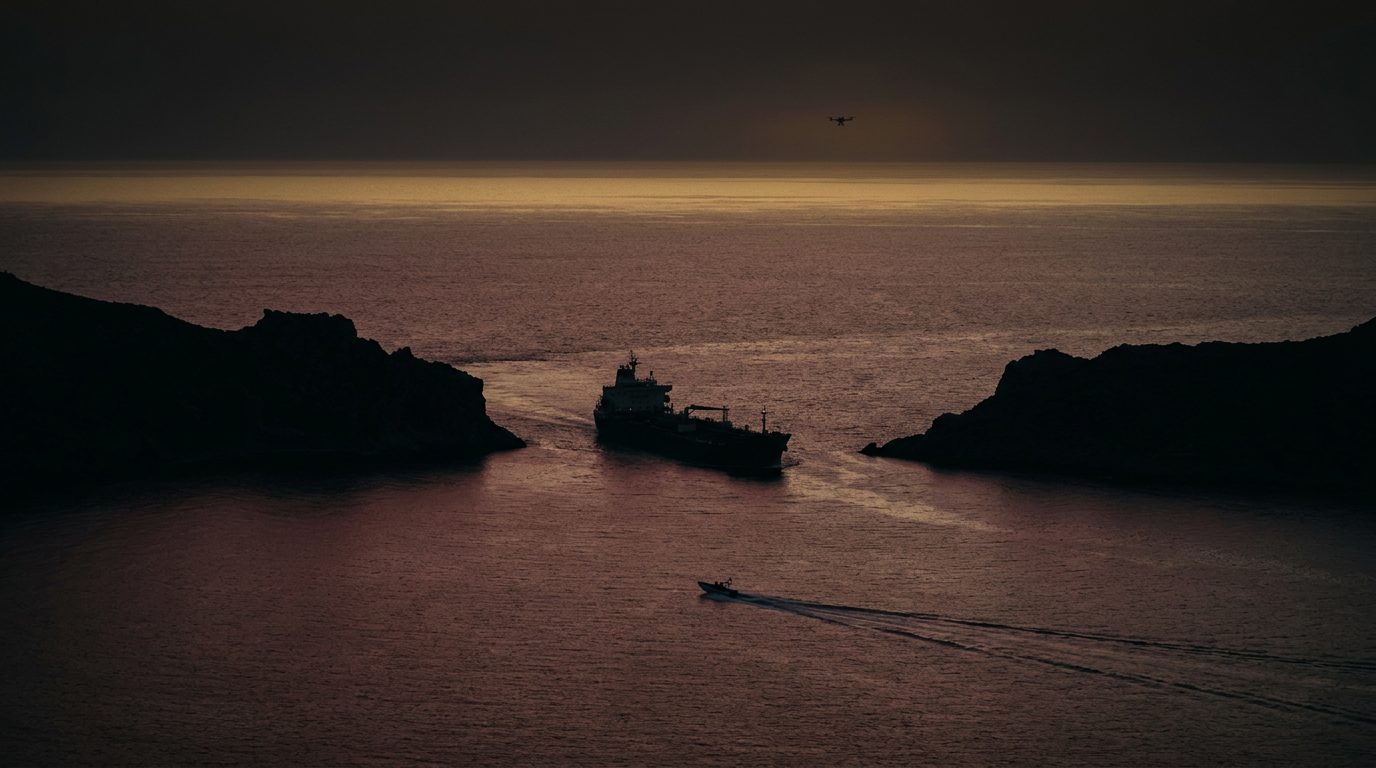
The maritime crisis is no longer just a Gulf story. Open-source reporting indicates Iran is using Yemen's Houthis to extend pressure on global trade beyond the Strait of Hormuz, opening a second front at the southern end of the Red Sea.
A senior Houthi official has said the group is prepared to close the Bab el-Mandeb Strait if Saudi attacks on Yemen continue, claiming such a move could push oil towards 200 dollars a barrel. More pointed still, the official raised the prospect of a coordinated closure: in his words, if the situation aggravates, "the Bab el-Mandeb Strait and the Strait of Hormuz will be closed in an operational alliance". The Houthis have also threatened Saudi airports and vital assets.
The threat is not theoretical. Earlier this month a skiff opened fire on a bulk carrier around 30 nautical miles south-west of Hodeidah before an armed security team returned fire and the attackers withdrew; the ship and crew were reported safe. Separately, Houthi forces killed 16 government-aligned troops south of Hodeidah using snipers, drones and mortars.
Bab el-Mandeb carries Saudi oil exports and a large share of global shipping into the Red Sea and the Suez Canal. The Houthis shut it to much traffic once before, after 2023, forcing carriers around southern Africa. For operators planning maritime movements, the working assumption should now cover both chokepoints at once: hardened transit measures, armed teams where lawful, and contingency routing that does not depend on either strait staying open.