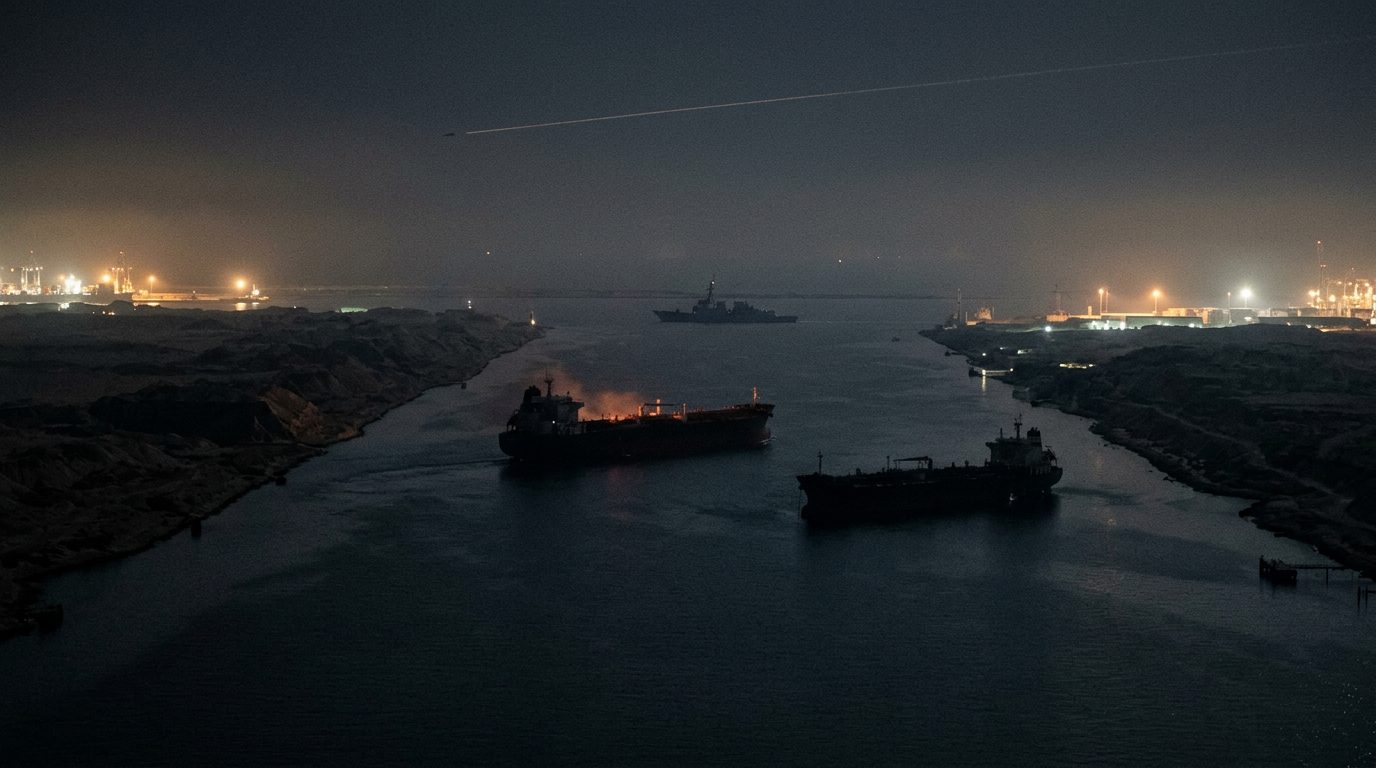
The Strait of Hormuz has tipped back into open conflict. On Monday two UAE-operated tankers, the Mombasa and the Al Bahiyah, were struck in the southern lane while in Omani territorial waters. One Indian crew member was killed aboard the Mombasa; eight more were wounded — six Indian and two Ukrainian nationals, four of them seriously. Fires broke out on both ships and were later brought under control.
The United Arab Emirates Ministry of Defence attributed the strike to Iranian missiles. Tehran had not commented at the time of reporting.
Washington's response was immediate. President Trump declared the ceasefire over, warned that US forces would hit Iran "very hard" in the hours ahead, and moved to reinstate a naval blockade of Iranian shipping. US Central Command said it was continuing to strike Iranian targets in retaliation, with strikes reported reaching beyond coastal areas into Iran's interior.
Traffic through the strait has all but stopped: only a handful of commercial vessels moved in the 24 hours before the strike, a fraction of normal flow. In normal conditions around a fifth of the world's seaborne oil and gas passes through Hormuz; that trade is now frozen.
For operators, the picture is unambiguous. The strait is a live combat environment, not a congested waterway. Any maritime task in or near the Gulf — transit security, yacht movements, crew changes, port calls — should assume the threat of missile and small-boat attack, GNSS denial and a hardening blockade regime. Land-side, expect knock-on disruption to Gulf aviation, energy sites and any principal movement tied to the oil trade. This is the sharpest escalation since the strait first closed, and it takes the reopening question off the table for now.