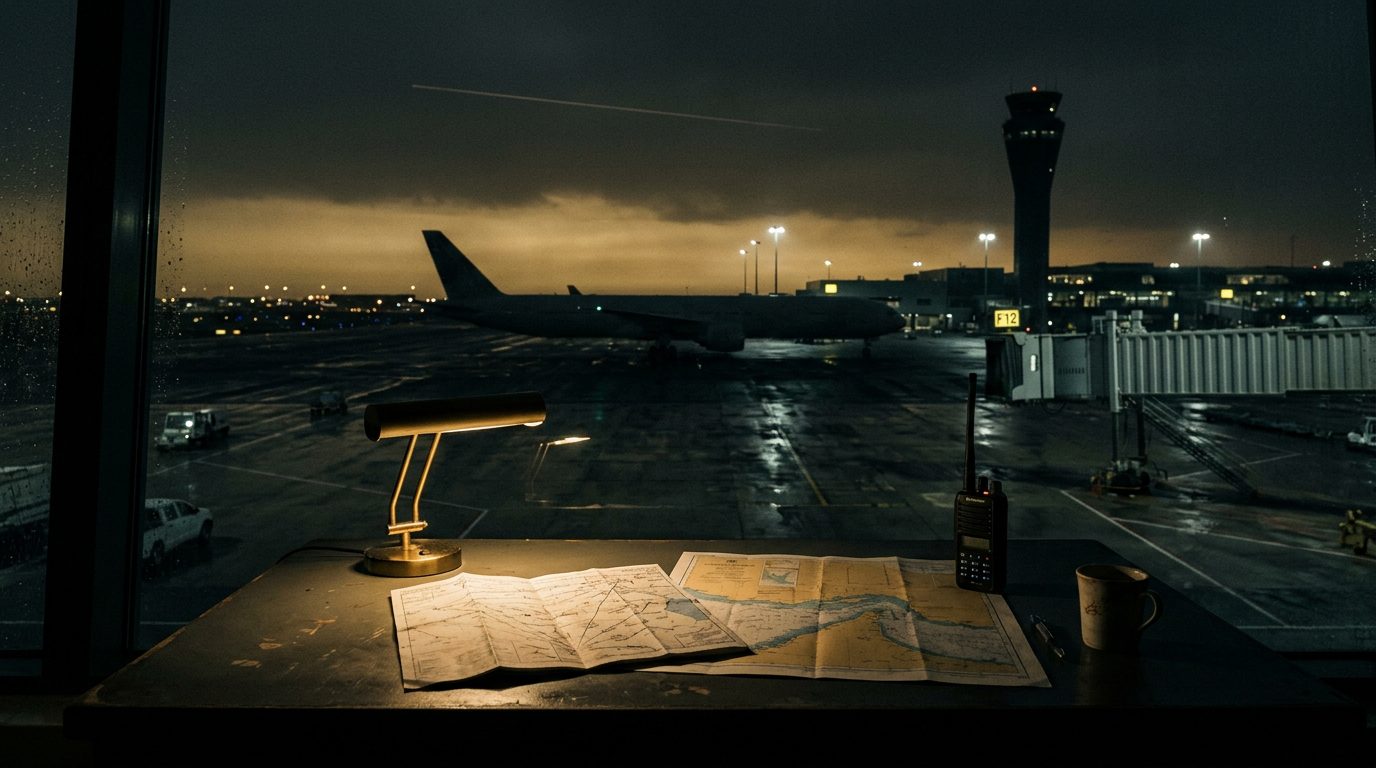
The Gulf has become a place you plan through, not a place you route through. On 14 July the European Union Aviation Safety Agency advised airlines to avoid the airspace of the UAE, Bahrain, Kuwait and Qatar at all altitudes and flight levels, and to avoid the part of the Muscat flight information region over the Gulf of Oman west of longitude 58 degrees east. The bulletin holds until 29 July unless reviewed sooner. At sea, the reinstated blockade and the collapse in transits mean the Hormuz route is effectively closed to commercial traffic.
For a movement planner that removes the two options teams lean on by default. Regional hubs in the four named states can no longer be treated as reliable transit points, with schedules disrupted and diversions common. Build the plan around alternate hubs outside the advisory zone, keep the principal's routing flexible to the day's airspace picture, and hold a fallback that does not hang on a single scheduled flight through the region.
The maritime side needs its own contingency. The IMO put around 6,000 seafarers trapped aboard vessels in the region as of 8 July. Any embarked or maritime task should now assume the chance of an extended layup at anchor rather than a clean transit, which changes the security problem from escort to static protection, crew welfare, and a workable extraction if the situation deteriorates.
Two habits carry this. Keep a live airspace and maritime-advisory feed running as a planning input, not background noise. And pre-stage a self-reliant option, by ground or sea, that gets a principal or a team out without relying on the regional aviation network holding up.