The Gulf hubs that half the security industry treats as safe transit space are, for now, a threat environment. Iran struck five Gulf states from 12 July, Qatar's air defences have engaged incoming attacks more than once, and the UAE issued a missile alert to residents for the first time in months. More than 1,500 flights have been disrupted across the region.
The regulatory picture backs that up. The European Union Aviation Safety Agency advised airlines on 14 July to avoid the airspace of the UAE, Bahrain, Kuwait and Qatar, with the bulletin valid until 29 July unless reviewed sooner; Kuwait's flight information region is closed to overflight. Major hubs — Doha, Dubai, Abu Dhabi, Bahrain and Kuwait — remain broadly operational but are rerouting and delaying, and some carriers have pulled out entirely: KLM has cancelled Dubai, Riyadh and Dammam services into late August, and British Airways is not resuming Dubai until late October. Qatar raised its threat level to high and urged residents to shelter and avoid unnecessary movement.
That reality reshapes five things for a team moving a principal through the region:
1. Movement planning. Treat carrier schedules as unstable. A booked sector can vanish at a week's notice, as the KLM and BA suspensions show. Hold two routings and a ground fallback, and confirm the operating carrier's own risk posture, not just that the flight is still listed.
2. Shelter-in-place. Where a host government has issued shelter guidance, pre-brief a safe location per site, select a hardened internal room, and set a clear stand-fast trigger. Do not move a principal into an active interception window to make a meeting; the meeting waits.
3. Comms redundancy. Expect GNSS interference and mobile-network congestion during alerts. Carry a second bearer — satellite or a separate network — and run a pre-agreed check-in cadence so a missed call reads as a trigger, not noise.
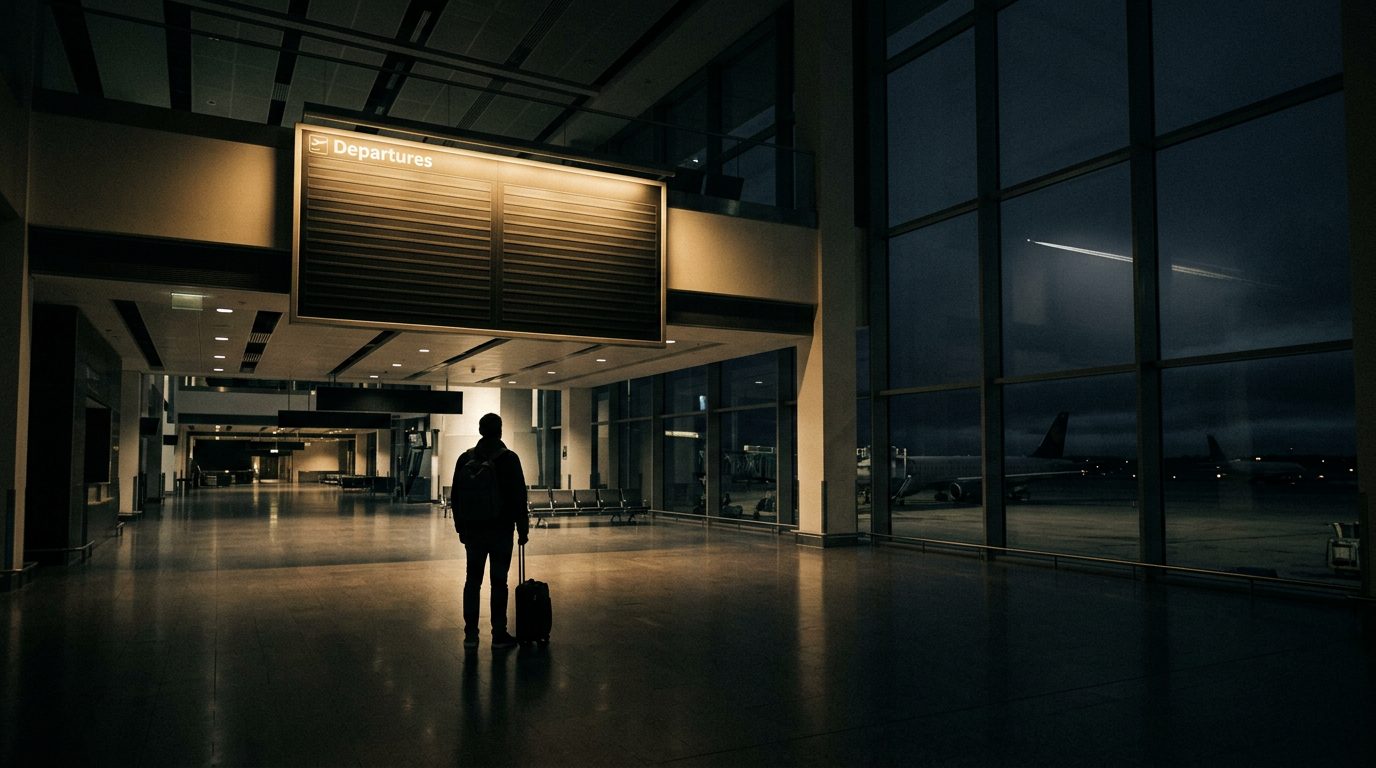
4. Airport dwell. Reduced schedules mean longer waits in terminals, which are soft, crowded environments. Minimise dwell, time arrivals against the actual departure, use landside and lounge timing to cut exposure, and know the terminal's shelter points before you need them.
5. Duty-of-care record. Log the advisory picture — the EASA bulletin, host-nation alerts, the threat level — against each movement decision. If a call is later questioned, that contemporaneous record is the evidence it was reasonable on the information available.
The underlying error to avoid is treating the Gulf as a rear area. It is a basing and transit hub for a large share of the industry's tasking, and until the EASA bulletin lapses on 29 July — subject to review — Gulf movements should be planned as you would plan through a threat environment, not a layover.