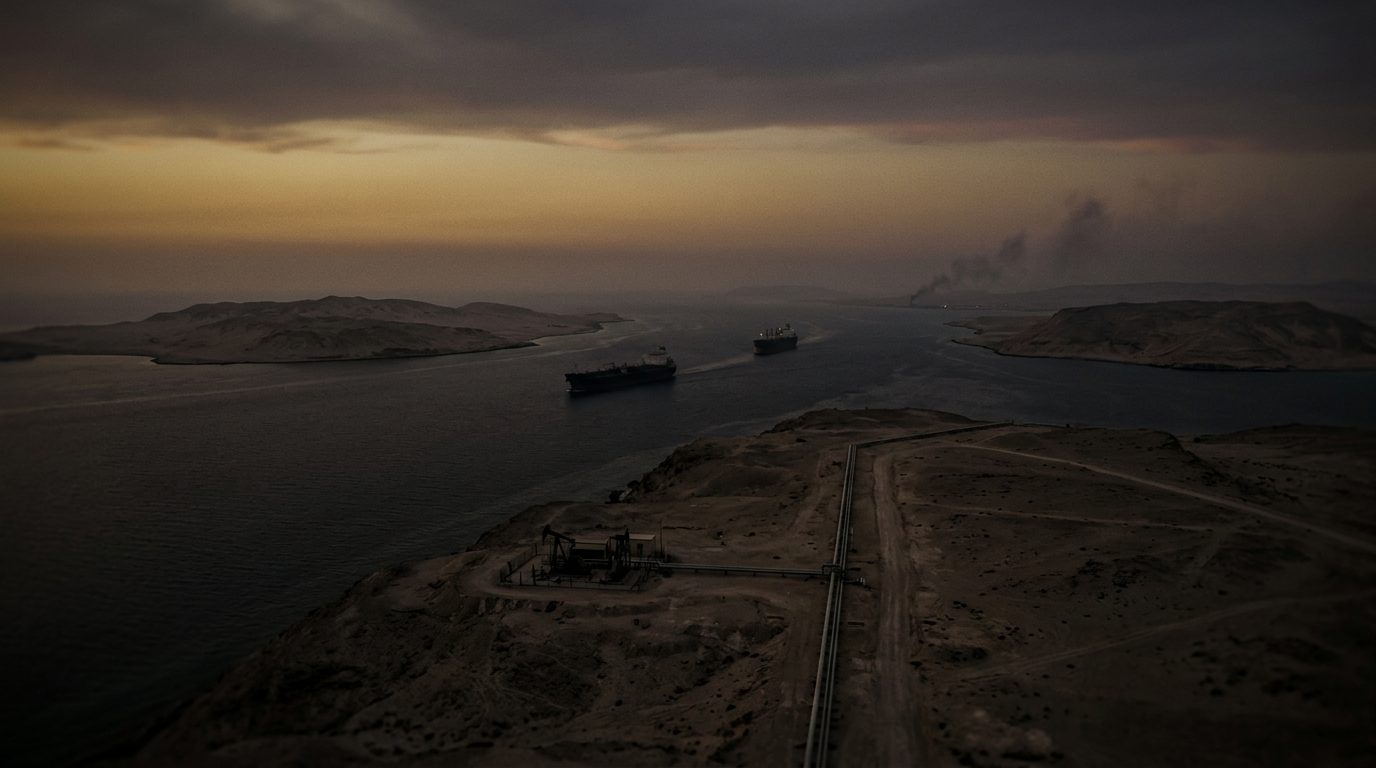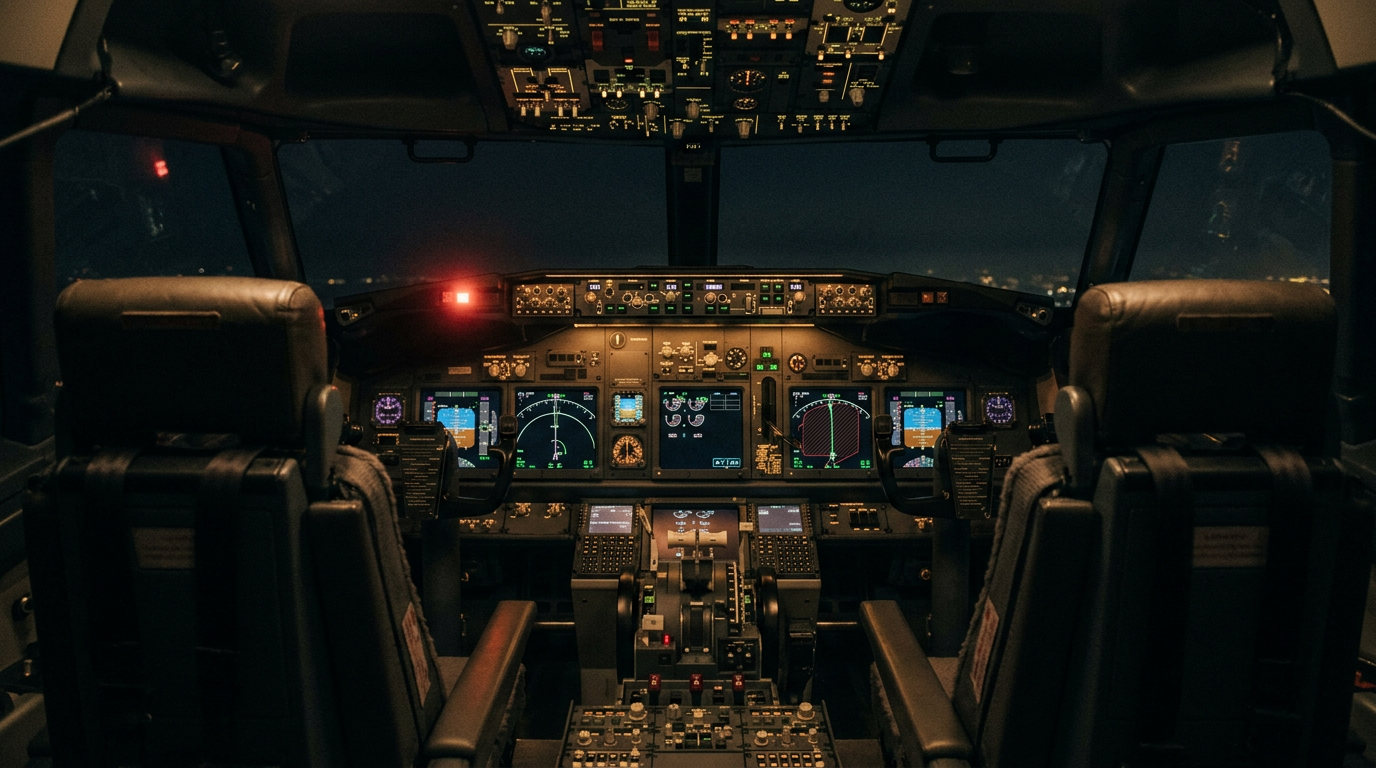
While the maritime picture in the strait has drawn the headlines, the air picture matters as much for any team moving people by air through the region — and it has not eased with the diplomacy.
EASA's Conflict Zone Information Bulletin for the **Middle East and Persian Gulf** (covering Bahrain, Iran, Iraq, Israel, Jordan, Kuwait, Lebanon, Oman, Qatar, the UAE and Saudi Arabia) had its validity **extended on 10 June 2026 and runs until 24 June**. It directs operators to **not operate within the affected airspace of Iran, Iraq and Lebanon at all flight levels and altitudes**, and to exercise caution across the wider regional airspace with up-to-date risk assessment and contingency planning. It cites "recurrent missile, drone and air-defence activities" and warns that Iran's nationwide high alert posture "creates an increased likelihood of misidentification".
That is the formal air-risk position as the political deal heads to signing. The two have not converged. Separately, the US State Department's Iran advisory remains at **Level 4 — Do Not Travel** (reissued 5 December 2025), citing terrorism, kidnapping and arbitrary detention, with no mention of the recent conflict or any ceasefire.
**Operator implication.** Do not let the headline reset the air-movement plan. Until EASA revises or lets the current CZIB lapse on 24 June — and until national advisories actually move — overflight of Iran, Iraq and Lebanon stays out, routing stays long, and the misidentification risk near Iranian air-defence remains live. The bulletin's 24 June expiry is the date to watch; the signing on the 19th is not, by itself, a routing change. Hold the contingency posture and re-plan only off the formal bulletins, not the press conference.