UN Secretary-General Antonio Guterres visited Port-au-Prince on 16 June, his first trip to the Haitian capital since 2023, touring the base of the new Gang Suppression Force and meeting families displaced by gang violence. Per UN News, he said the force's deployment "offers a real opportunity to curb violence and restore the authority of the State" and warned against squandering it.
The force. The UN Security Council authorised the Gang Suppression Force on 30 September 2025, with an authorised strength of 5,550 personnel — roughly five times its predecessor. It replaces the chronically underfunded, understaffed Kenya-led Multinational Security Support mission. The Washington Times reports that contributing countries so far include Jamaica, Chad, El Salvador and Guatemala, with fewer than 1,000 troops in place to date. The gap between authorised and actual strength is the story: the mandate exists, the mass does not yet.
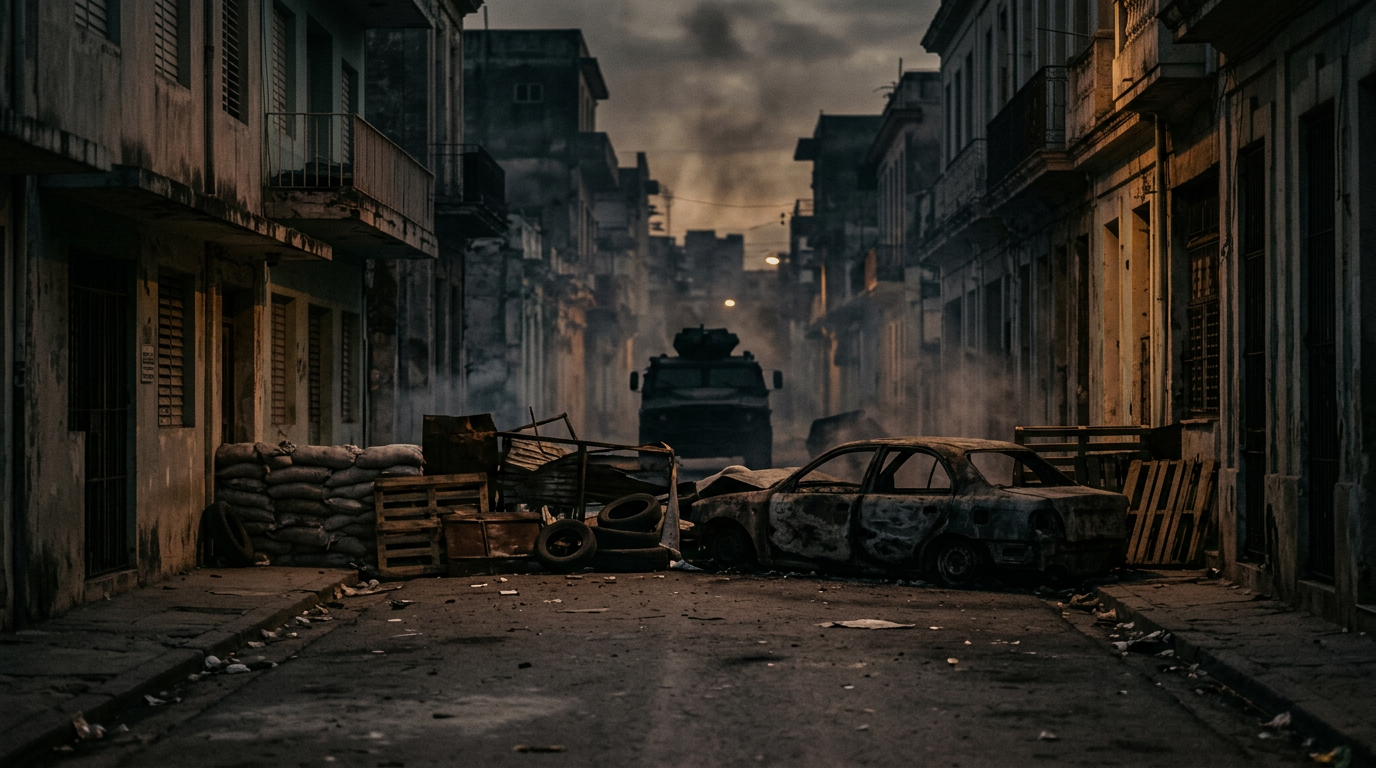
The threat picture. Open-source figures for 2026 are stark. UN News reports more than 2,300 people killed and more than 1,100 injured this year, and around 1.5 million displaced. Gang control of the capital is put at as much as 90% by the UN; the Washington Times cites a lower figure of roughly 70% under the dominant gang federation. Either way, the bulk of Port-au-Prince is contested or held by armed groups, and kidnapping for ransom remains a core tactic.
The operator implication. Haiti remains a no-go for routine movement. Any duty-of-care travel demands armed, locally-fused support, hardened transport, strict route and timing control, and a credible extraction plan. The arrival of the force does not yet change the ground truth — until it reaches mass, treat the security improvement as aspirational, not operational. The airport and the corridors around it remain the critical vulnerability.