The confrontation over the Strait of Hormuz is now into its second week, with no sign of a pause. US Central Command ran another night of strikes on Iran early Friday, targeting what it described as coastal surveillance and air-defence sites, military logistics infrastructure and maritime capabilities.
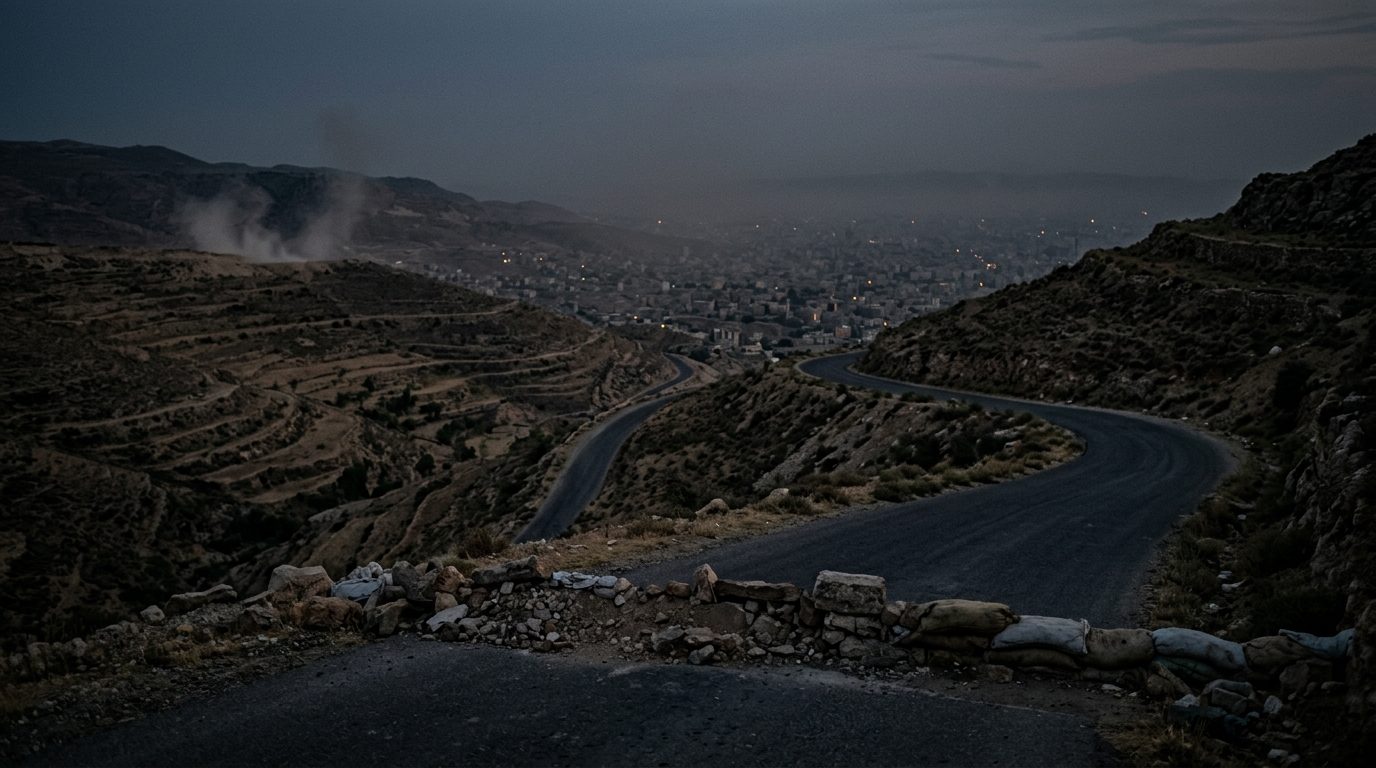
Iranian state media reported the strikes damaged the airport at Iranshahr in the south-east, two bridges in Hormozgan province, the railway junction station at Bandar Abbas, and a site at the port city of Bushehr. Iranian officials reported casualties at several of the strike sites; by 16 July the Iranian health ministry put the toll from the recent wave of US strikes at at least 35 dead and more than 300 wounded.
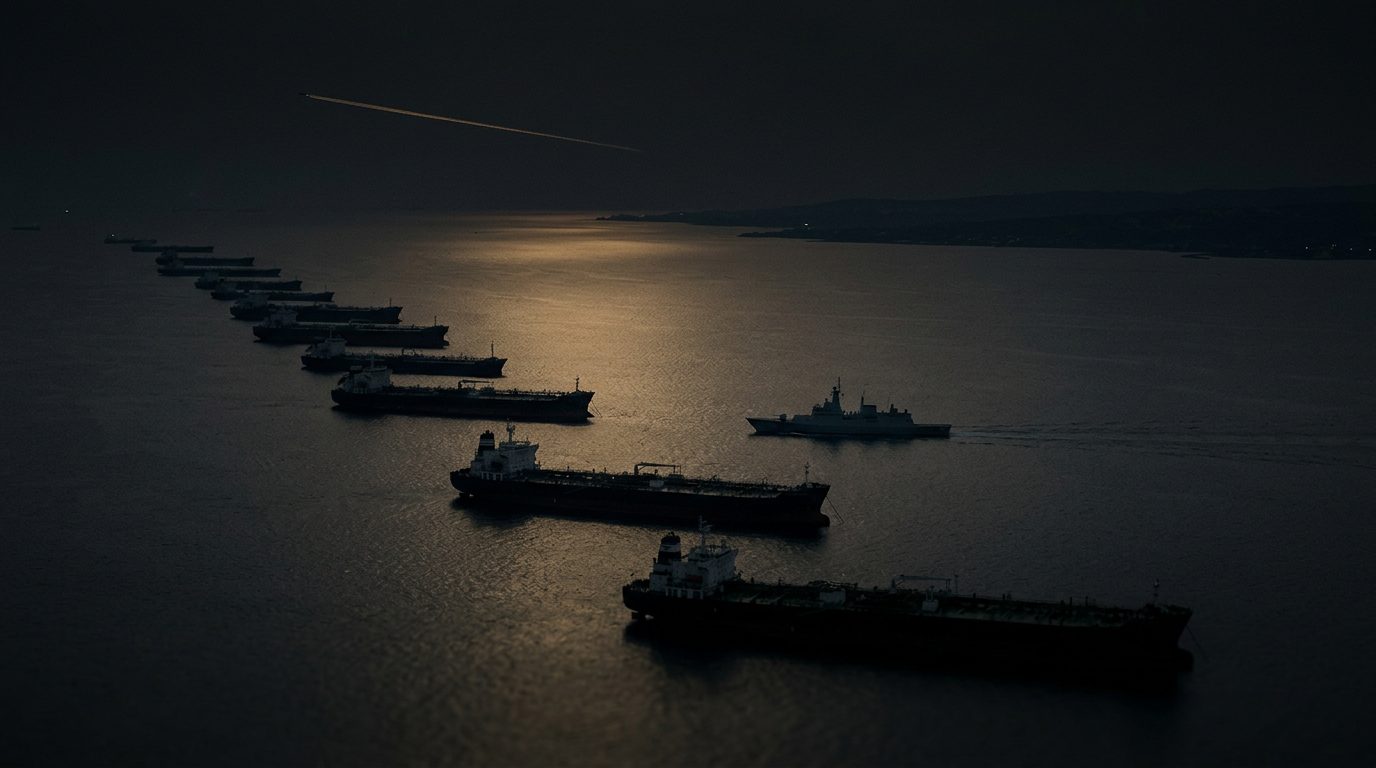
The US naval blockade of Iranian ports, reinstated on 14 July, is being actively enforced. CENTCOM says it has redirected three commercial vessels attempting to evade the cordon since Tuesday and disabled the oil tanker M/T Belma; on 16 July, US Marines boarded the commercial vessel M/T Wen Yao to confirm compliance. Iran has answered with strikes on Gulf states hosting US forces — it hit five Gulf nations from 12 July, and Qatar's air defences have engaged incoming attacks more than once.
The practical picture at sea is a waterway that has stopped moving. Roughly a fifth of the world's traded energy normally passes through Hormuz; open-source shipping data cited by the trade press puts commercial transit volumes down by roughly 90 per cent. The strait is closed by risk, not by decree — owners and charterers are choosing not to sail rather than being formally barred.
For protective and maritime security teams, the region is no longer adjacent to the threat; it is inside it. Principals and crews staged through Doha, Dubai, Abu Dhabi and Manama sit under active air-defence engagements and intermittent airspace restrictions. Embarked-team tasking is shifting from Hormuz escort work toward long-haul reroutes and layup security as the transit economics collapse. Anyone with a live movement plan in the Gulf should treat air-defence activity, port access and the blockade as fixed planning constraints for the coming week, and hold a self-reliant fallback that does not depend on scheduled aviation.