Open-source reporting indicates a patchwork of fragile truces. The Gaza ceasefire that took effect in October 2025, the Iran-Israel ceasefire agreed in April 2026 and the Israel-Hizballah cessation announced on 16 April 2026 have all held imperfectly, and the FCDO warns hostilities could reignite with little warning.
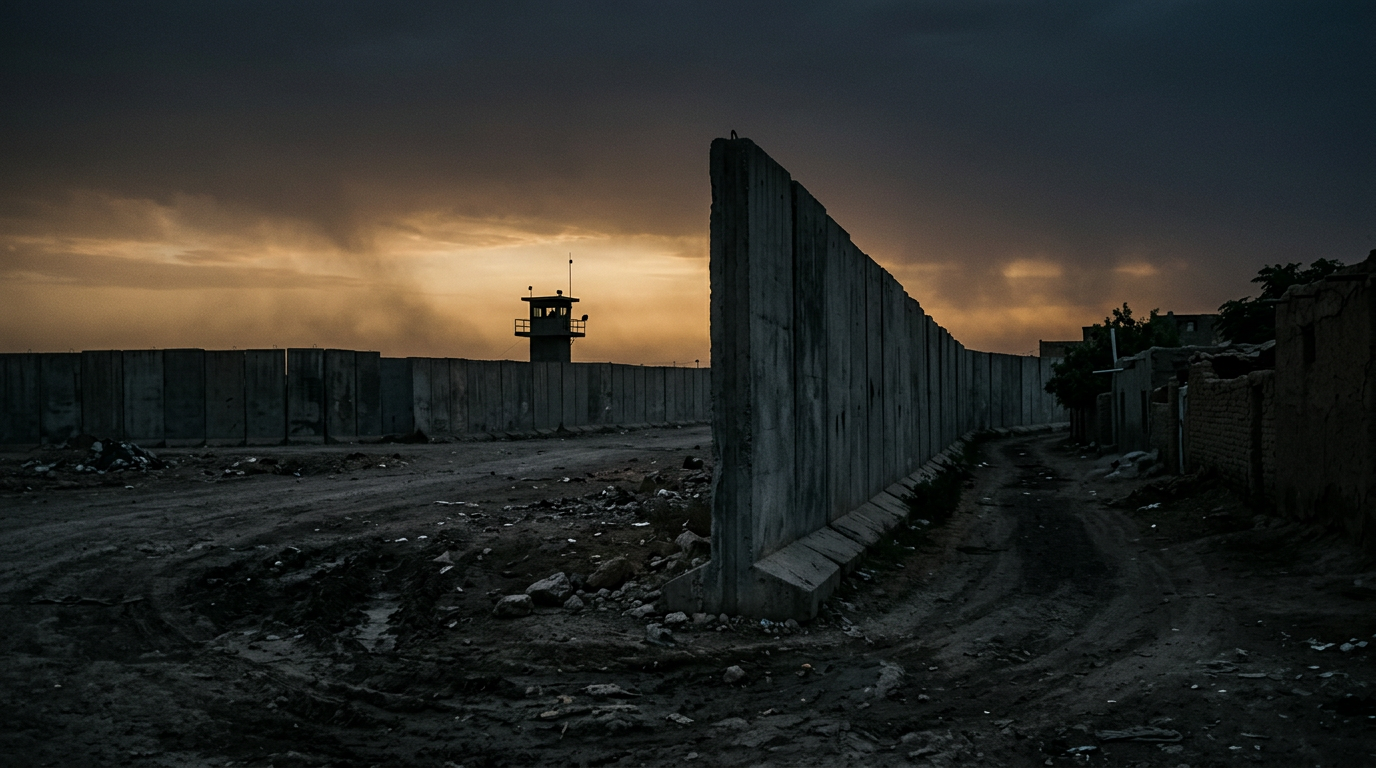
The UK FCDO has eased its blanket warning, with most of Israel no longer under an advise-against-all-travel rating. It still advises against all travel to Gaza, all areas within 500m of the Gaza fence, the northern West Bank and the Golan Heights, and against all-but-essential travel to parts of the central and southern West Bank. There remains a risk of missile and drone attacks across Israel, with falling shrapnel from intercepts a hazard countrywide and possible disruption at Ben Gurion airport.
For operators, this is a managed-risk environment in the core, hostile at the edges. In Tel Aviv and the centre, the practical driver is short-notice air-raid alerts: rehearse shelter-in-place, know the nearest protected space at every location, and build airport-disruption contingencies into travel plans. The West Bank carries a separate, ground-level threat of stabbings, shootings and vehicle-rammings, concentrated around Nablus, Jenin and Hebron and main routes; route planning and checkpoint awareness matter more than aerial threat there. Gaza, the 500m perimeter and the northern West Bank remain off-limits.