The FCDO advises against all travel to the whole of Mali. The driver is JNIM, the al-Qaeda affiliate, which has run a fuel blockade on the country's main supply corridors since 3 September 2025, when its spokesman announced it on video.
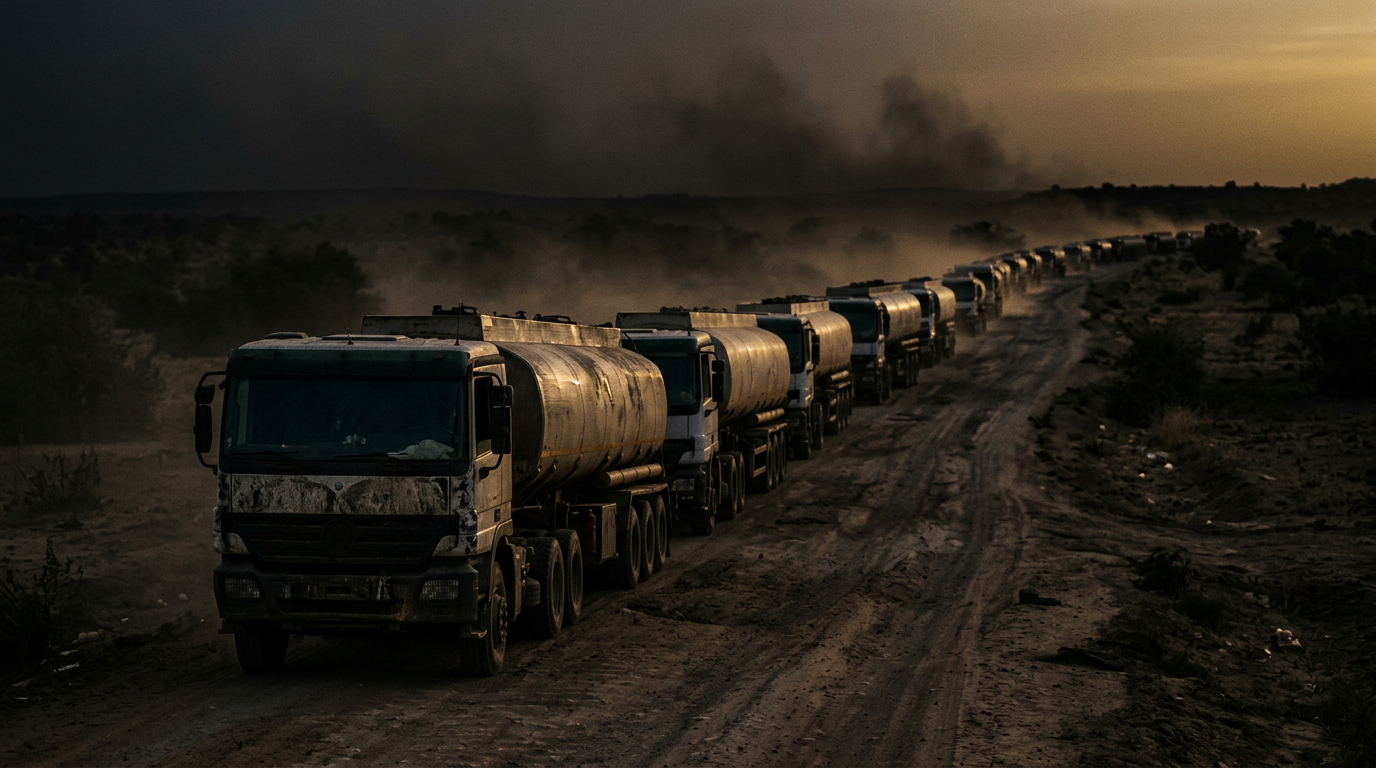
The blockade targets the tankers that bring fuel in from Senegal, Côte d'Ivoire and Guinea. Open-source reporting puts the number of fuel tankers destroyed at over 300, with large strikes recorded between Kaniara and Lakamane, around Kolondieba and near Sikasso. Bamako, Ségou, Kayes, San and Mopti have all seen severe shortages, and schools were closed nationwide for a stretch in late 2025. JNIM reimposed a full blockade on Bamako on 28 April 2026.
The FCDO is explicit: JNIM holds checkpoints on major routes across southern and western Mali, attacks can occur at any time, and there is a high threat of kidnapping across the country, including in the capital. It advises against leaving Mali overland to neighbouring countries.
Operator implication: treat Mali as a no-go for routine business travel. Fuel scarcity is itself a security factor — it strands vehicles, lengthens queues that draw crime, and removes the option to simply drive out of a deteriorating situation. Anyone with a genuine duty to operate there needs hardened ground movement, pre-positioned fuel, current kidnap-for-ransom contingencies and a realistic understanding that British consular assistance and evacuation should not be assumed. The RN1 Kayes-Bamako axis and the borders are the highest-risk lines.