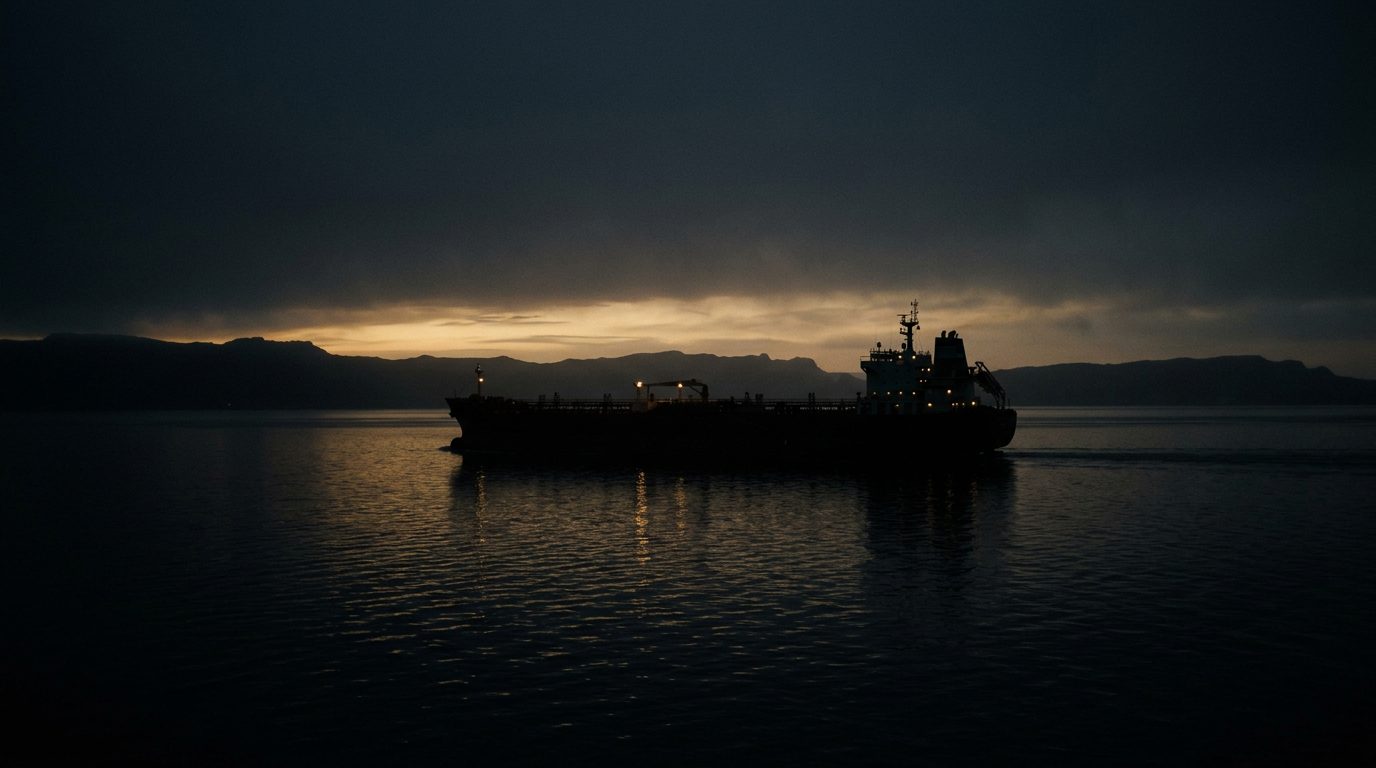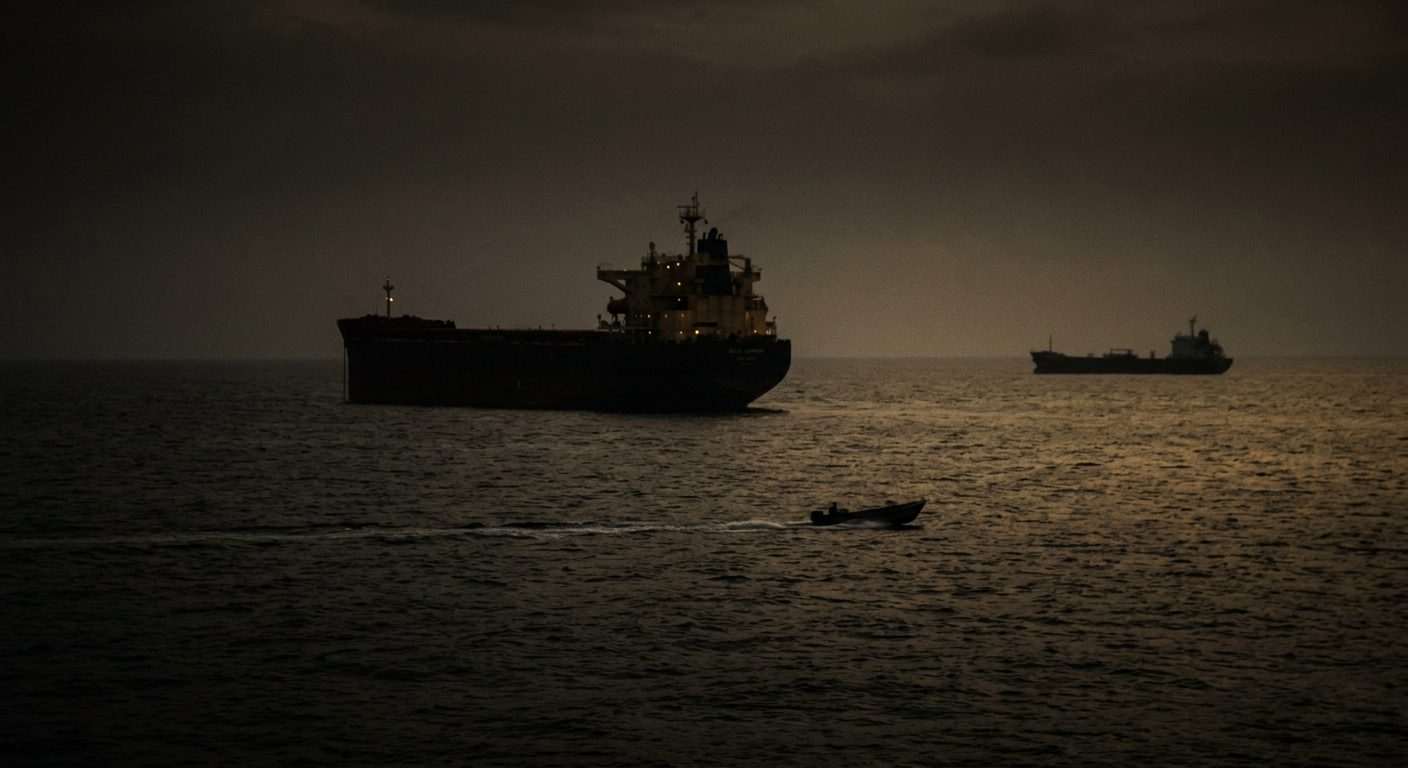
The Red Sea's months-long calm is showing cracks. At the weekend a bulk carrier was fired on around 30 nautical miles southwest of Hodeida: a skiff approached and opened fire, the vessel's armed security team returned fire, and the skiff withdrew to a larger ship holding about two nautical miles off with its AIS switched off (CBS News). The crew were unharmed. No group claimed the attack.
That matters for how it is read. Since the 14 June Iran-US ceasefire memorandum, the Houthis had not resumed attacks on merchant shipping (Security Council Report) — so an unclaimed skiff attack sits in the grey zone between a Houthi resumption and opportunistic armed robbery, and it should be treated as unattributed until evidence says otherwise.
What is not grey is the land picture. The same weekend brought the deadliest Houthi assault on Yemeni government forces in years — sixteen dead and twenty-two wounded south of Hodeida, snipers followed by drone and mortar fire (CBS News) — and the group has again threatened to resume attacks on shipping.
The timing is the story. The UN Security Council's monthly reporting requirement on Houthi attacks on merchant vessels, set under Resolution 2812, expires on 15 July, and the Council is due to decide this month whether to renew it (Security Council Report). That decision now sits against a live incident and fresh threats rather than a clean lull.
For operators routing crews, cargo or maritime details through the Bab-el-Mandeb and southern Red Sea: treat the corridor as active. Hold hardening measures — armed teams, AIS discipline, citadel drills, convoy timing — rather than relaxing them on the assumption the truce holds. This week's signals point the wrong way.