The UK's Foreign Secretary, Ed Miliband, used a speech on Sudan in New York on Monday 21 September, during the UN General Assembly's high-level week, to describe a war whose danger zone is widening. The FCDO has published the transcript "exactly as it was delivered".
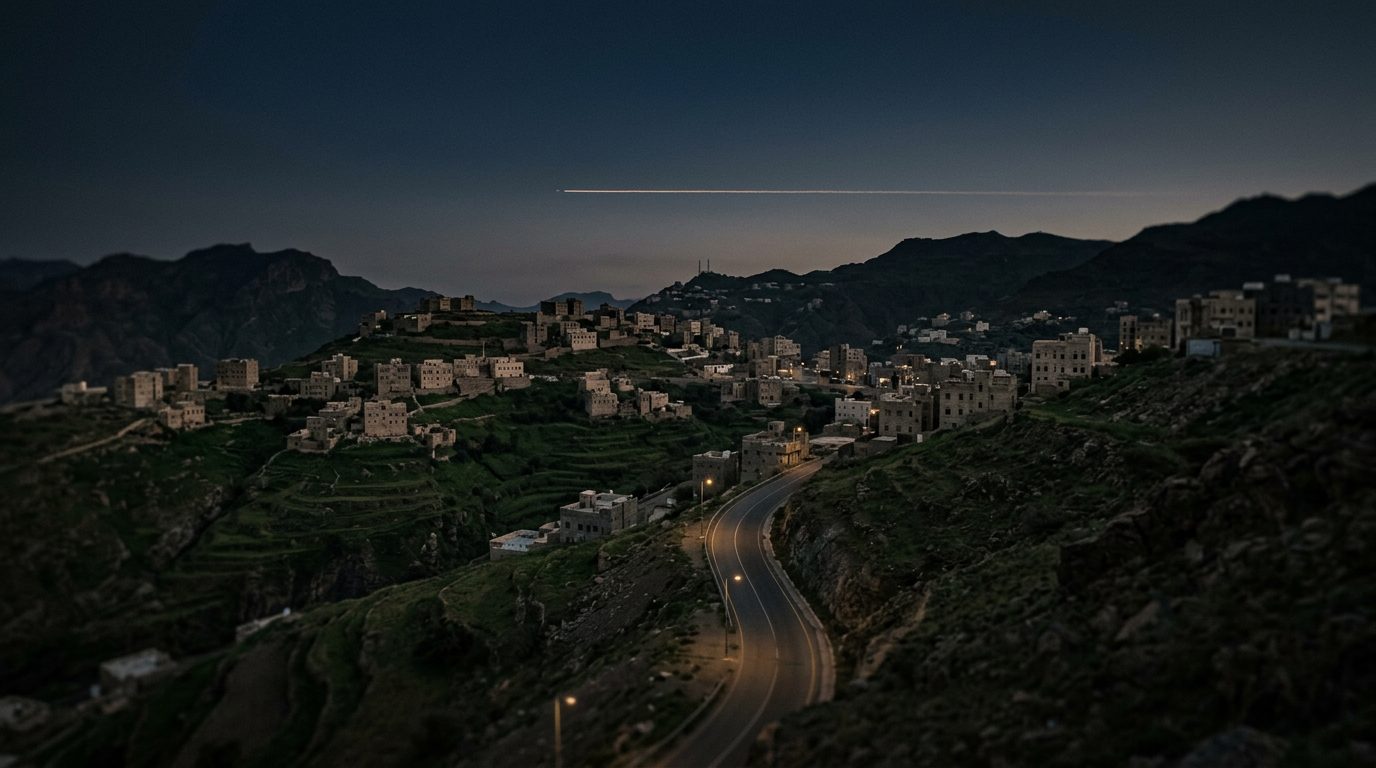
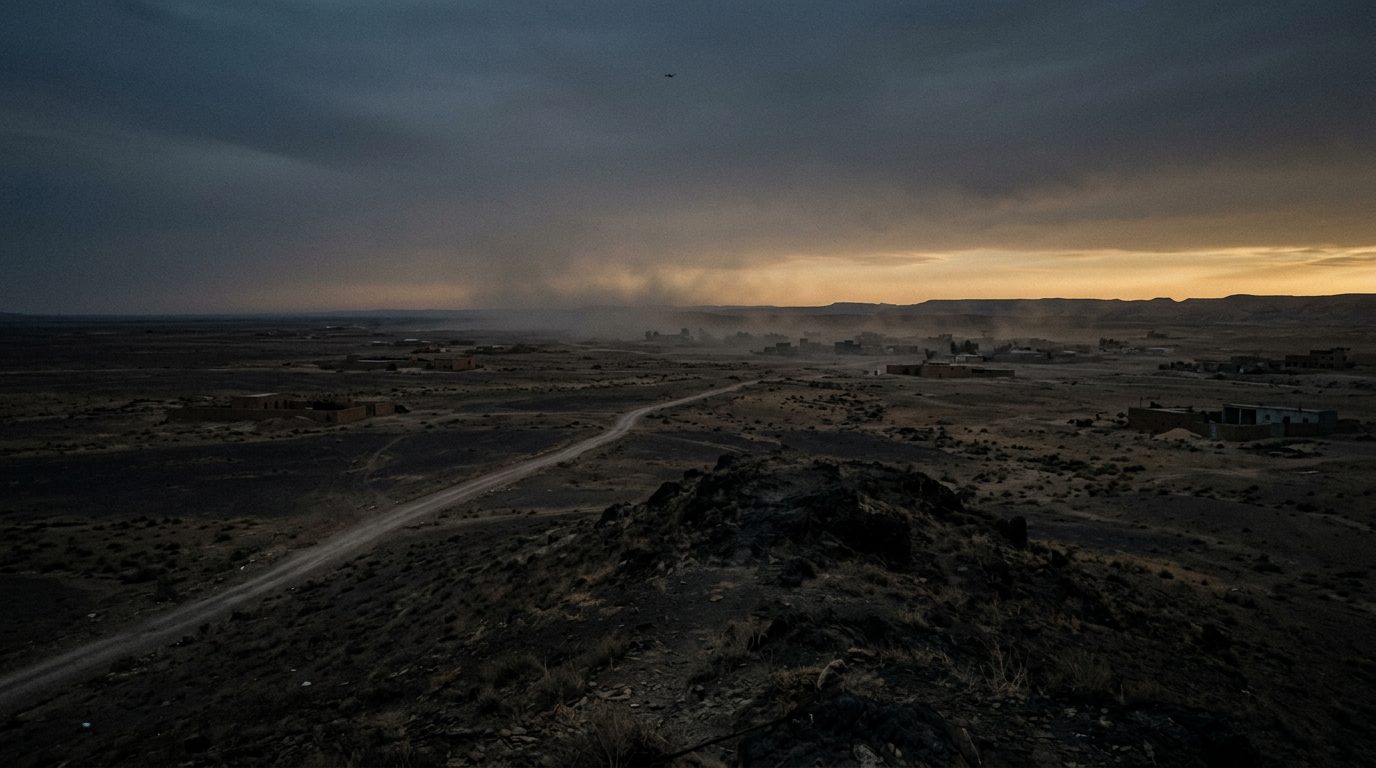
"What was once a war concentrated around active frontlines, is increasingly being fought from the air, vastly expanding the deadly terrain," he said. He added: "in the first five months of this year alone, drone strikes reportedly killed more than 1,000 civilians." He listed hospitals, markets, fuel depots, power stations and humanitarian supply routes as having come under attack, and said: "Sudan is already amongst the most dangerous places on earth to be a humanitarian worker. Drones are making it more perilous still."
For anyone planning or supporting humanitarian, NGO or media work in the region, the practical point is that the risk no longer tracks the front lines. A convoy route or a supply depot far from active ground fighting can still be in range. The Foreign Secretary also referred to "this month's attack on a World Food Programme Convoy".
The speech turned on the UN sanctions regime. On 11 September the Security Council unanimously extended the Sudan sanctions regime, including its arms embargo, for one month, to allow more time for negotiations on whether to expand the measures. The United States, which put forward that resolution, argued the arms embargo must be widened across the entire territory of Sudan. Russia's delegate said Moscow "will not allow even a hint of broadening". In New York the Foreign Secretary backed the US effort and said: "So a simple rollover of the embargo is not enough." A Council decision on the regime's future is therefore close, and the outcome will shape how weapons and drone components reach the fighting.
He also called for key humanitarian routes to be opened permanently, "including the vital Adré border crossing due to expire this month". Teams relying on that crossing for access or logistics should watch for any decision on its future and plan an alternative now.
The FCDO advises against all travel to Sudan because of the ongoing military conflict, except the Hala'ib Triangle and the Bir Tawil Trapezoid, where it advises against all but essential travel. The British Embassy in Khartoum is closed, there are no British consular staff in Sudan, and the FCDO says it cannot provide in-person support inside the country. That advice was last changed on 11 May and has not moved with this speech. Travelling against it can invalidate insurance.
We have no primary source giving the date on which the one-month sanctions extension runs out, or the exact expiry of the Adré arrangement, so we are not stating either.