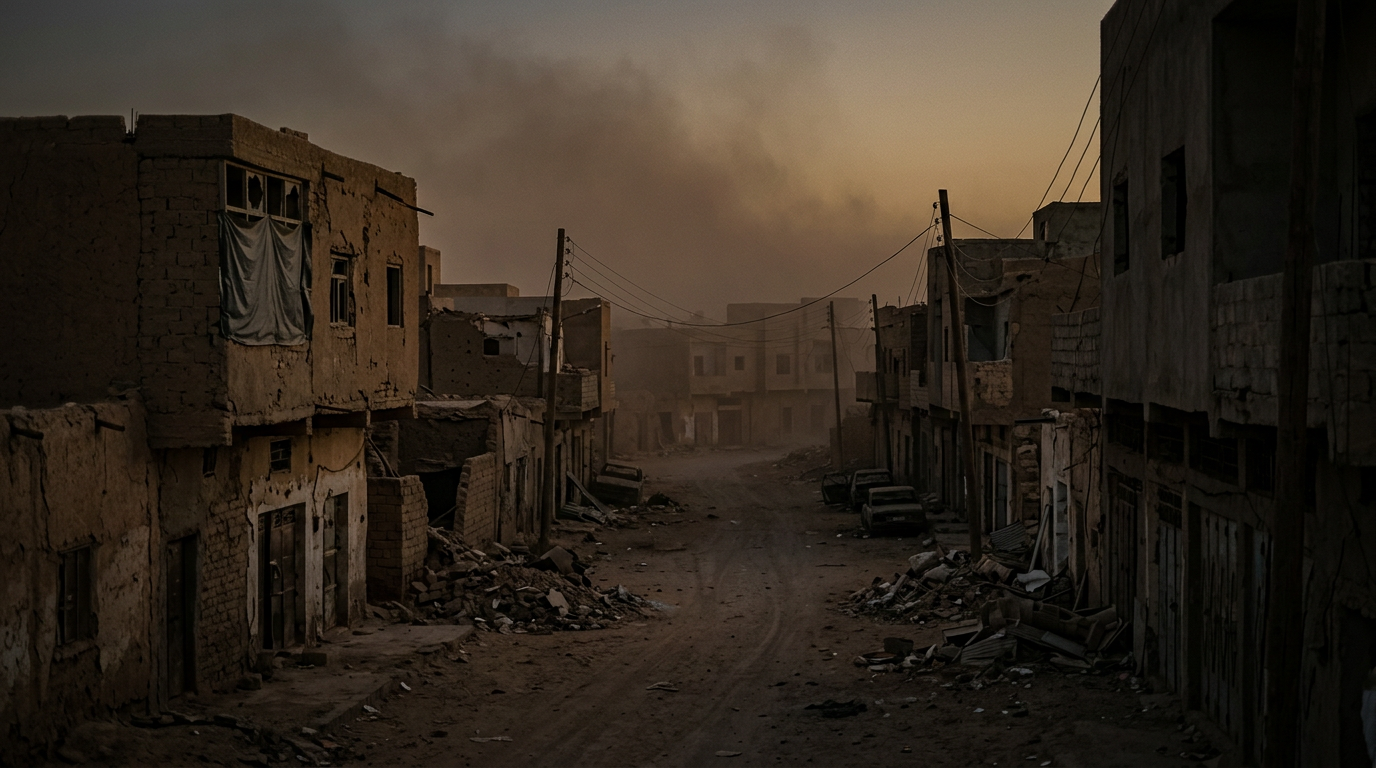
Open-source reporting indicates the strategic picture shifted decisively when the Rapid Support Forces seized El Fasher in October 2025, the army's last major hold-out in Darfur, after an 18-month siege. The RSF is now the dominant actor across the region. Reporting from Al Jazeera and rights monitors points to mass detentions and ethnically motivated killings inside RSF-held areas following the fall of the city.
The humanitarian baseline is catastrophic. Per Associated Press figures cited in open-source coverage, roughly 9 million people are displaced inside Sudan and around 4.5 million have fled to neighbours including Chad and Libya. The International Rescue Committee reports a cholera outbreak that has killed over 3,000 and a tripling of sexual and gender-based violence risk.
For operators, Sudan is a withdrawal-and-avoid environment, not a managed-risk one. There is no functioning national security floor, front lines are fluid and checkpoint behaviour by armed groups is unpredictable and ethnically charged. Kidnap, arbitrary detention and crossfire are live threats; medevac options are minimal with hospitals destroyed. Any essential presence needs a vetted local network, hard evacuation triggers wired to overland routes toward Chad or Egypt, and satellite comms as the assumption rather than the fallback. Aid and media movement in Darfur should be treated as high-threat by default.