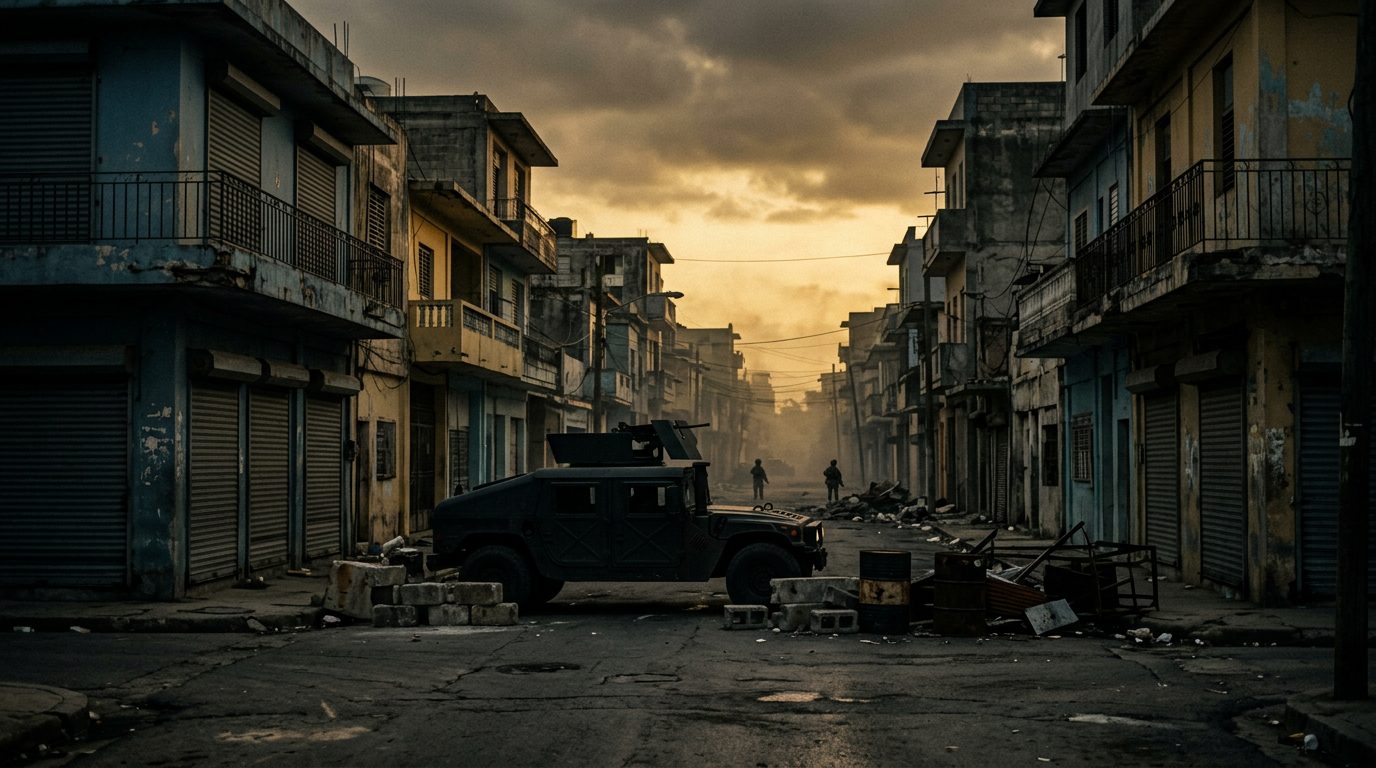
Haiti's new suppression force is deployed but undermanned. The UN-backed Gang Suppression Force, authorised in September 2025, has around 1,000 personnel on the ground against a mandated ceiling of 5,550, and is not expected to reach full operational capacity until October. It is based at Camp Vertières in eastern Port-au-Prince and has begun foot patrols and forward operating bases across the capital.
The gap it is trying to close is stark. Armed gangs control roughly 90% of Port-au-Prince. In the first quarter of 2026 alone, UN figures record 1,642 people killed and 745 injured — with a striking 69% of casualties attributed to security-force operations, not the gangs. Internal displacement has reached about 1.47 million, and close to six million people face acute food insecurity.
The Security Council holds its 90-day briefing on Haiti this month, with the heads of the UN mission, the UN drugs office and the suppression force expected to report. Kenyan troops from the earlier mission departed in April; contingents from Chad and others are still arriving.
For operators, Haiti remains a no-go for routine commercial travel, and the security-force casualty share is the detail to sit with. A force operating below strength in a contested capital raises, not lowers, the risk to anyone caught near an operation. Any duty-of-care movement needs armed support, hardened transport, evacuation planning and a hard look at whether the task can be done at all.