Haiti's threat picture is changing shape, and the direction is outward. A Guardian investigation published 2 July reconstructs the March massacre in Jean-Denis, a farming town in rural Artibonite, using verified video, witness testimony and satellite imagery, and puts the toll at at least 70 civilians dead.
The data behind the single incident is the story. Per ACLED figures cited by the Guardian, violent incidents nationwide have surged from 615 in 2021 to 1,626 in 2025, with Artibonite alone rising from 39 to 238 over the same period. Nearly 6,000 people died in gang violence in 2025 and about 1.4 million, more than a tenth of the population, are displaced, per the UN. Human Rights Watch's assessment is blunt: 'Criminal groups are now present in five out of 10 of Haiti's departments - the violence is definitely spreading.'
The spread coincides with a security-force transition. The Kenyan-led Multinational Security Support mission formally left Haiti in April, and the UN-backed Gang Suppression Force replacing it is not due to reach its planned strength of 5,500 personnel until the autumn. Experts quoted by the Guardian describe gangs deliberately testing capacity and reaction in the gap. The US State Department advisory remains at Level 4: Do Not Travel, citing crime, terrorism, kidnapping, unrest and limited health care.
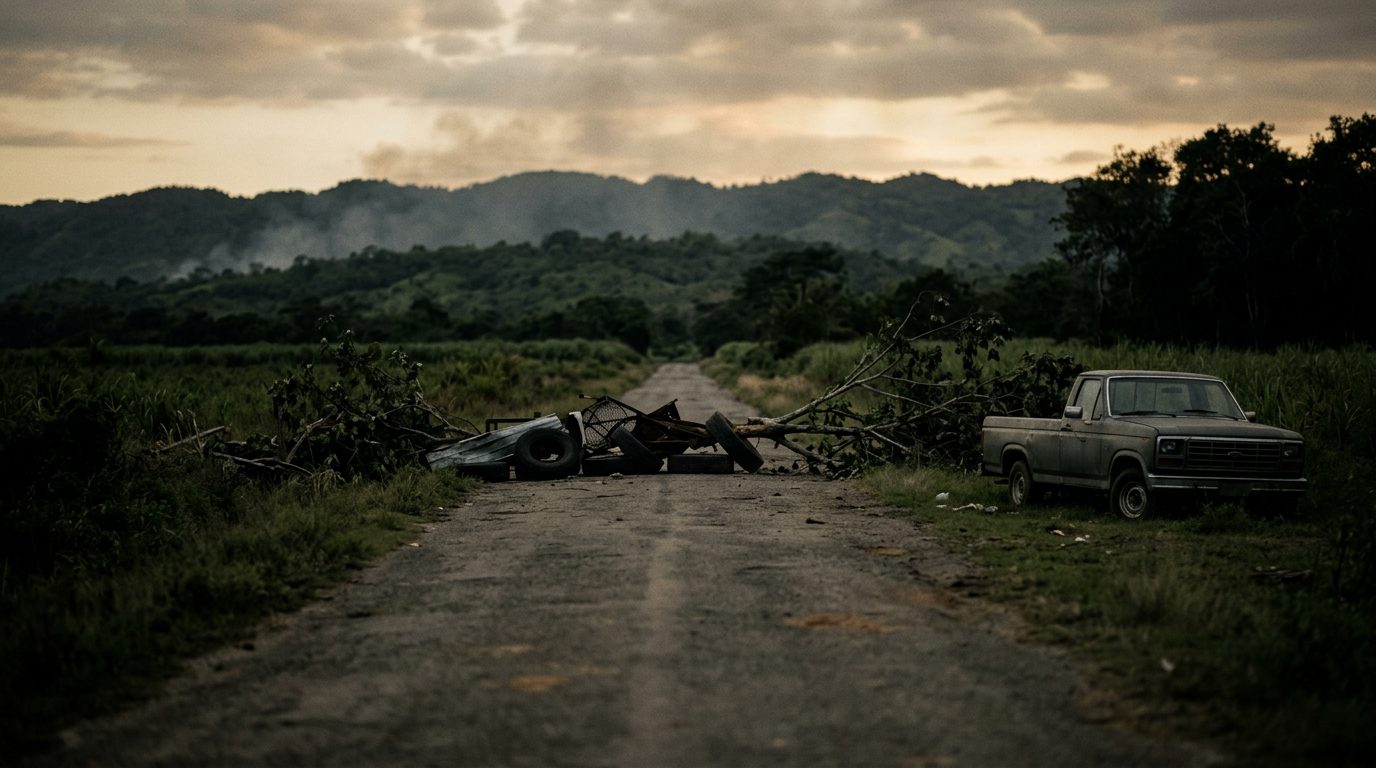
Operator implication: the old planning shorthand, avoid Port-au-Prince and manage the rest, no longer holds. Rural road corridors in Artibonite and the routes toward the Dominican border now carry materially elevated ambush and kidnap risk, and the state security vacuum persists at least through Q3 2026 while the new force builds strength. Any Haiti tasking should treat provincial movement as hostile-environment work: hardened movement plans, current intelligence on checkpoint and roadblock activity, medical self-sufficiency, and exfil options that do not assume usable roads to the capital.