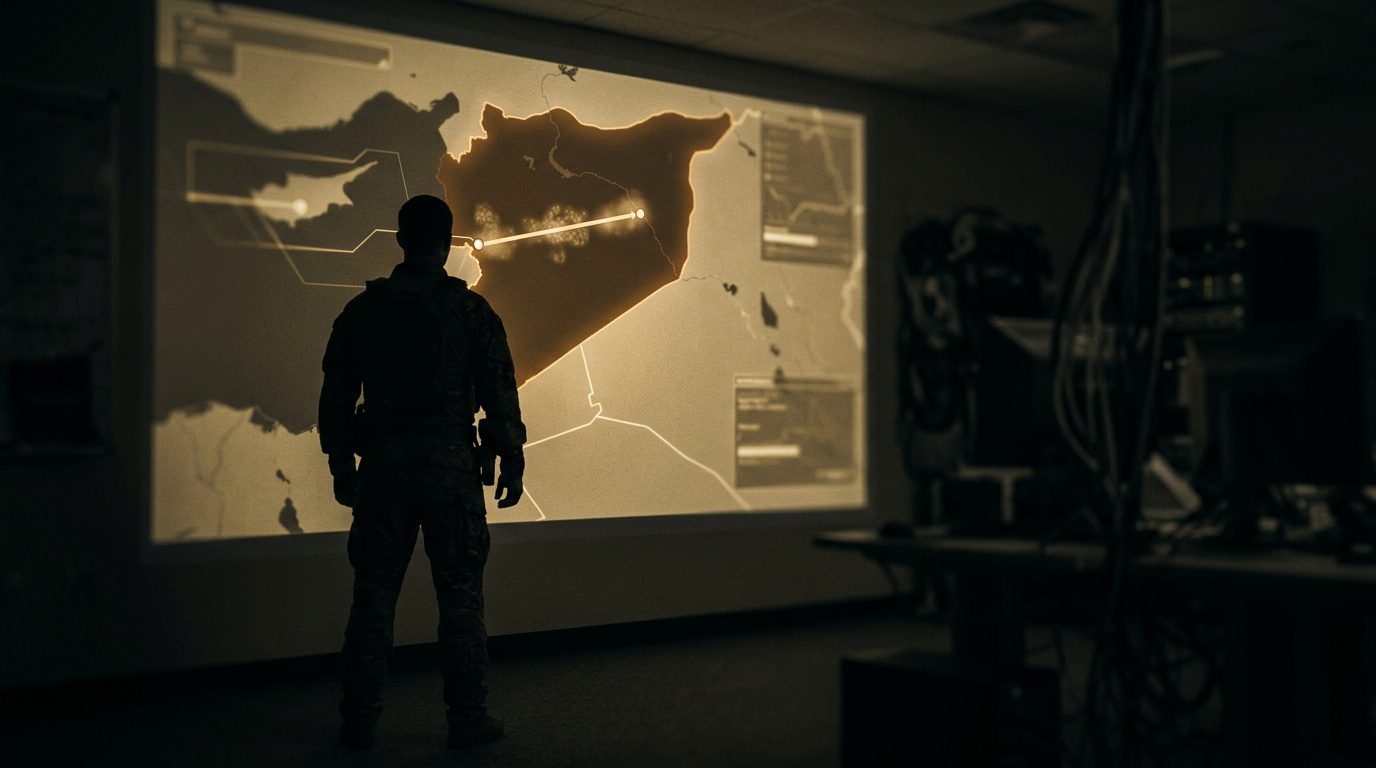
Iraq's threat picture is elevated on any normal week. The US State Department holds it at Level 4, "Do Not Travel," citing terrorism, kidnapping, armed conflict and civil unrest, with only a limited ability to help foreign nationals in trouble (State Department). Today that baseline absorbs a surge.
Khamenei's funeral cortege reached Najaf on Tuesday, with mass public processions through Najaf and Karbala before it returns to Iran (Jerusalem Post; Al Jazeera). Iraqi authorities tightened security around Najaf ahead of the arrival, with the same expected in Karbala, as large numbers of mourners travel in from across Iraq and neighbouring countries; the Iraqi leg is compressed into a short window before the cortege heads back for Thursday's burial (Jerusalem Post; Al Jazeera).
Two risks stack for anyone operating in or near the corridor. The first is crowd dynamics: dense, fast-forming religious processions carry real crush risk, and they are a classic mass-casualty target profile in a country with an active terrorism threat. The second is movement: expect hard security lockdowns, road closures, checkpoints and convoy restrictions across Najaf, Karbala, the Baghdad approaches and the airports for the duration.
The operator implication is to stay well clear. If you have a principal or a team anywhere near the Najaf-Karbala corridor today, the sound move is to hold position away from the processions and the choke points, not to route through them. Build in long delays around any unavoidable movement, keep comms and medical redundancy up, and treat the corridor as closed until the crowds clear and the country's already-high baseline risk returns.