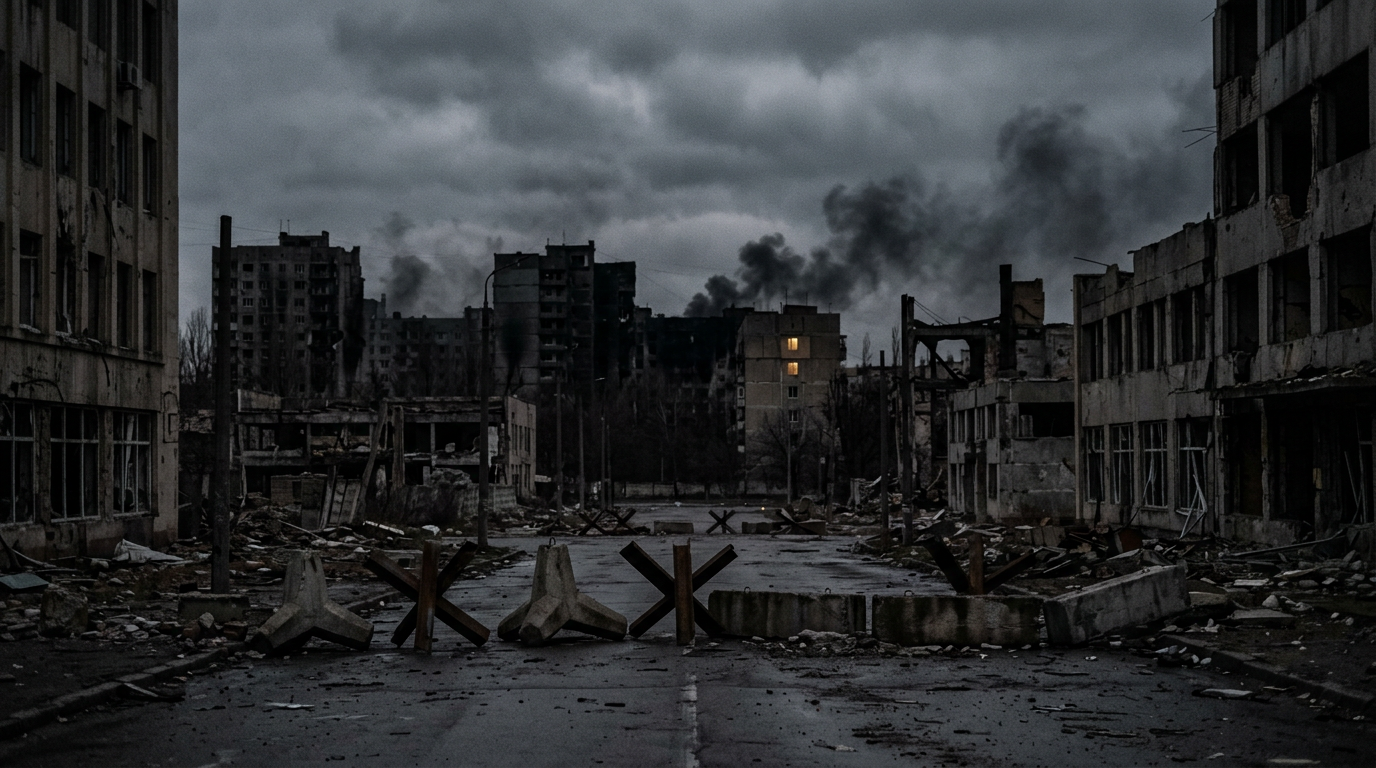
Open-source reporting indicates the war has moved into a contest of endurance rather than manoeuvre. Russian forces remain active across Sumy, Donetsk and Zaporizhzhia, but the rapid territorial gains of 2024 have slowed and Ukrainian defences are holding more ground than they were a year ago.
The sharper change is in the air. The UK FCDO reports that in May 2026 Russia launched its largest single-month volume of long-range drones to date, 7,241, alongside 196 missiles. March and April each saw over 6,000 drones. These strikes hit nationwide, including western cities such as Lviv, and target energy, rail and residential infrastructure. Falling debris from intercepts is a casualty source in its own right.
For operators, Ukraine is a permissive-access, non-permissive-threat environment. Movement is possible and the western regions remain functional, but air-raid alerts, blackouts and strike damage shape every plan. Factor in hardened overnight accommodation with a real shelter, alert-app monitoring tied to go/no-go movement triggers, and rail as the primary inter-city option since airspace is closed. Build redundancy into comms and power; grid outages are routine after infrastructure strikes. Treat the 50km Belarus border zone and all eastern and southern oblasts as no-go without a hard mandate.