The 2026 World Cup final kicks off at MetLife Stadium in East Rutherford, New Jersey at 3pm Eastern on Sunday 19 July, Spain against Argentina. The final has been placed in the top tier of federal special-event security, coordinated across the Department of Homeland Security, the Defense Department and the FBI, with New Jersey State Police partnering more than 400 local, state and federal agencies.
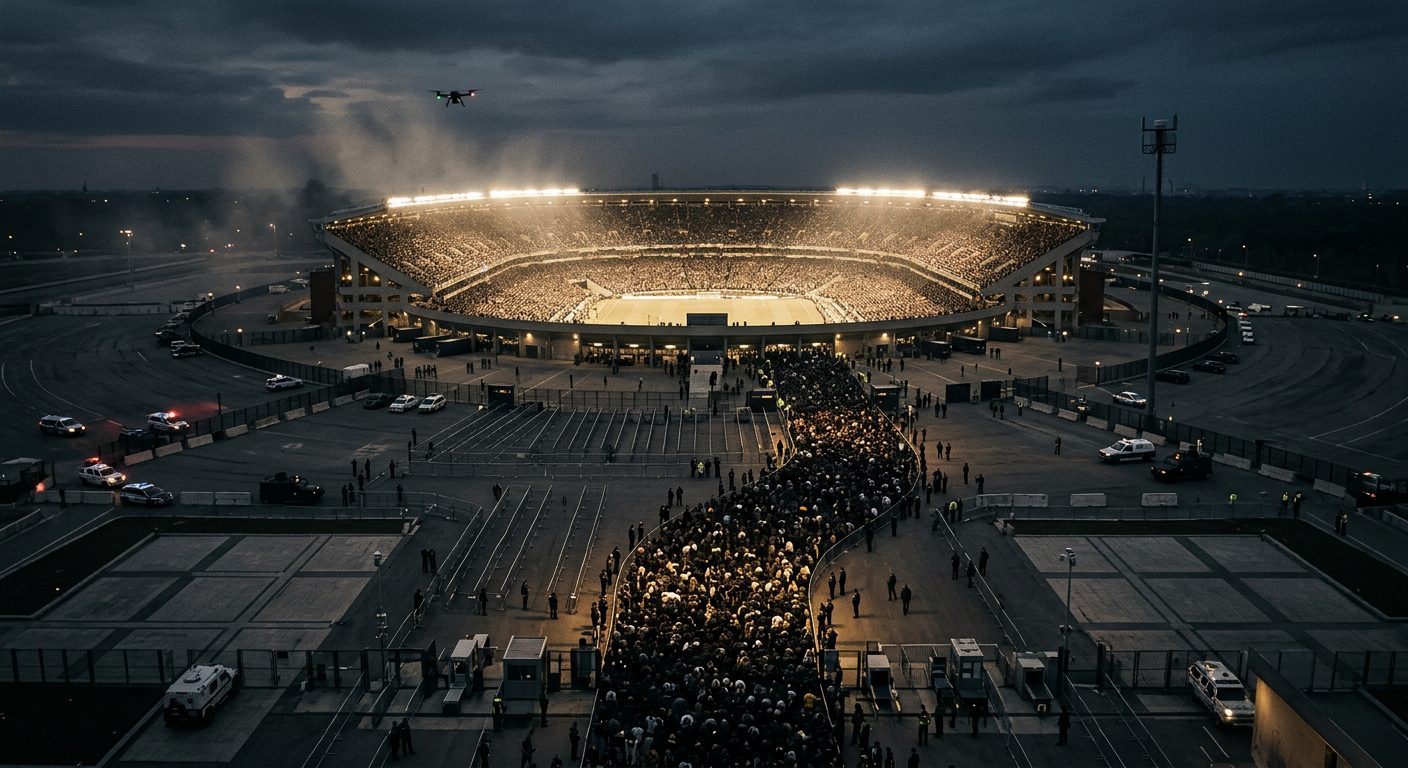
The air picture is tightly controlled. The FAA has set no-drone zones across tournament venues. On match days, drones and other aircraft are barred within three nautical miles of the stadium and up to 3,000 feet above the ground, tightening to a one-nautical-mile, 1,000-foot ring around team hotels, base camps and training sites. The FBI has already seized hundreds of drones flying in restricted airspace near stadiums during the tournament, more than 600 across the eleven US host cities, and will run live drone feeds over the final.
On the ground the footprint is heavy. Matchday policing runs at roughly double a normal NFL fixture at the stadium, and there is no walk-up access. Fans cannot walk to the ground or drive a personal vehicle; getting onto the property needs a match ticket and approved transport, funnelled through screening.
For any private close-protection detail working a principal into the final, the takeaway is simple. Your plan sits inside the federal one. Confirm credentialing and vehicle access early, expect airspace and counter-drone measures to override any private aerial or overwatch idea, and route the principal on the assumption that the last approach is on foot through a controlled perimeter.