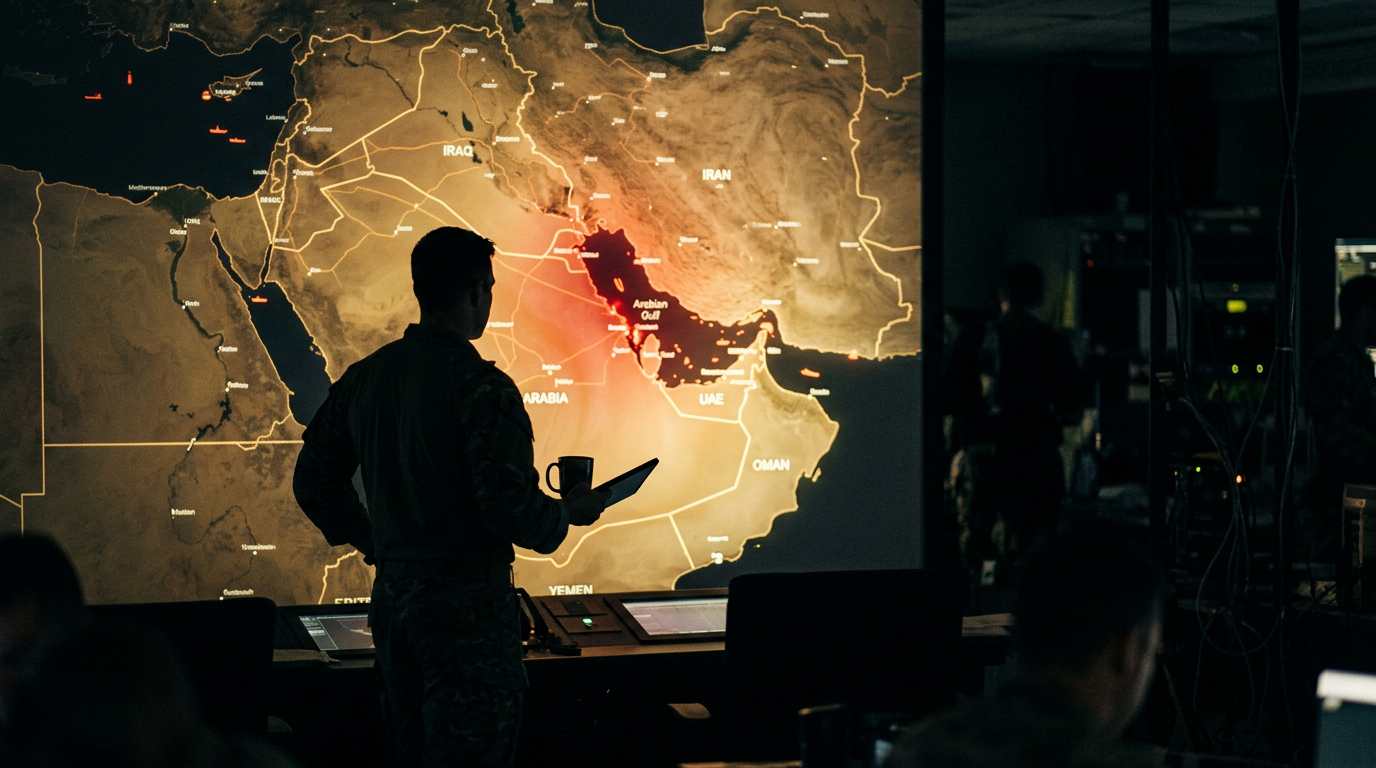
The threat map in the Gulf has shifted from where it stood in the spring. Open-source reporting indicates the FCDO has lifted its 'advise against all but essential travel' guidance for the United Arab Emirates, Bahrain, Qatar, Kuwait and the Eastern and Riyadh provinces of Saudi Arabia, following a memorandum of understanding between the United States and Iran that built on an April ceasefire. Jordan's advisory was narrowed to within 3km of the Syrian border. Iran, Syria and Yemen remain no-go.
The FCDO paired the easing with a warning that the situation 'remains unpredictable and attacks could resume at short notice', advising travellers to keep departure plans under review and avoid military and security sites.
Two points for planners. First, not every government moved together: reporting notes Ireland, Germany and France had not matched the UK change, and travelling against a home-country advisory can void insurance, which is relevant for multinational principals and mixed-nationality teams. Second, an advisory downgrade is a floor, not an all-clear. Contingency routing, medical and evacuation cover, and a resumption-of-hostilities trigger plan should stay in place for any Gulf movement.
Advisories move quickly. Check the live FCDO country pages before committing a principal to travel.