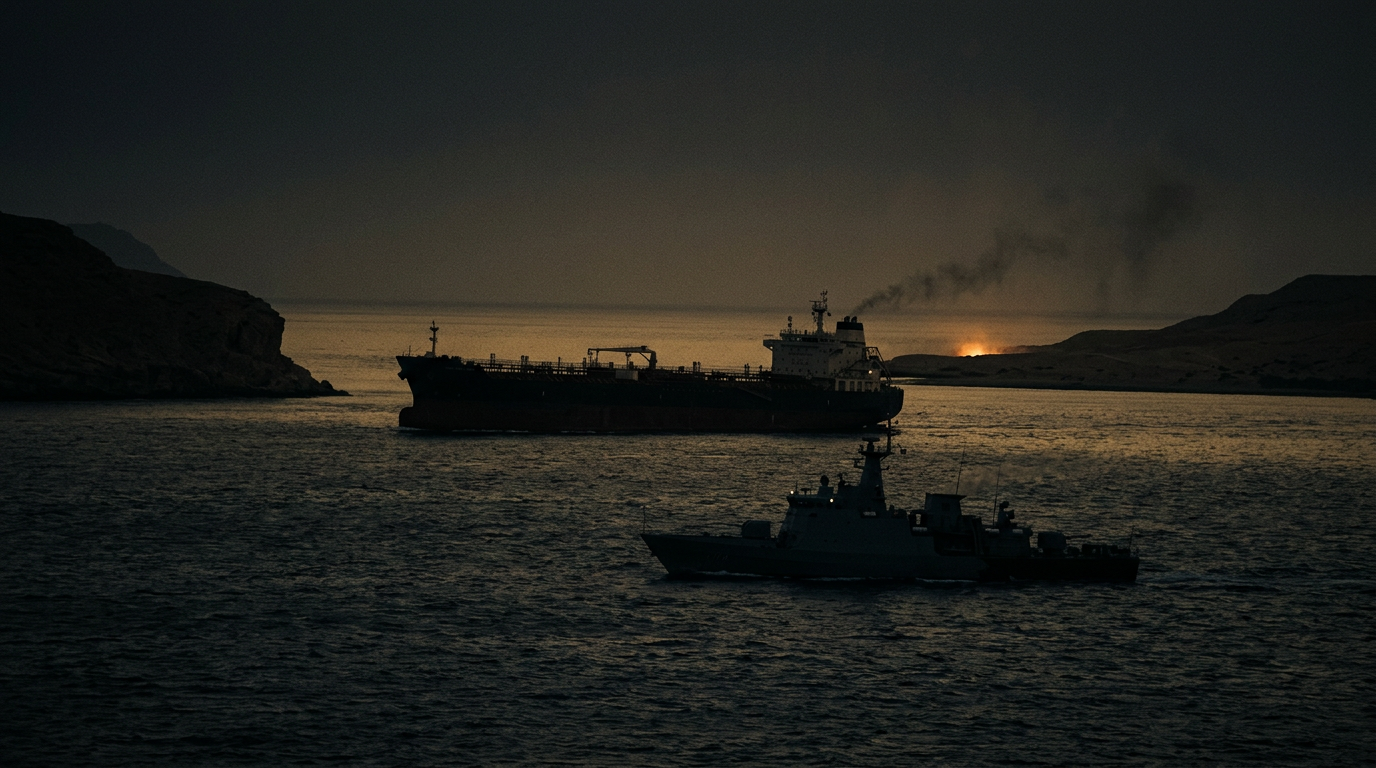
Open-source reporting confirms a second merchant vessel struck in the Strait of Hormuz over the weekend. Per gCaptain, the Panama-flagged VLCC KIKU, carrying Qatar Energy crude, was hit by an unidentified projectile on Saturday 27 June, taking damage to its bridge. All crew were reported safe. A day earlier, on Friday 26 June, the Singapore-flagged container ship Ever Lovely was struck by what US officials identified as an Iranian drone as it exited the strait.
The Joint Maritime Information Center raised the regional maritime threat level back to SUBSTANTIAL on Saturday, citing attacks on merchant vessels and continuing mine hazards. CENTCOM responded with strikes on Iranian missile and drone storage facilities and coastal radar sites. The early-June Islamabad Memorandum of Understanding, which had paused hostilities, is now contested: Tehran calls the US strikes a violation of the agreement's requirement for a permanent halt to military operations.
The practical problem for shipping is conflicting guidance. Iran insists vessels obtain its authorisation to transit; US-led maritime security forces maintain that ships may use the southern corridor without Iranian permission. Reporting indicates navigating those competing claims is now the single biggest operational risk in the strait.
For protective and security operators: treat the Gulf as an active, contested theatre again. Review crew-change ports, executive air movements through Gulf hubs, and evacuation contingencies. Assume sea-mine risk and GPS interference in the transit corridor. Verify any movement against the current UKMTO and JMIC advisories before it is committed, and keep a rerouting option live.