The Brief: Tuesday 28 July
Two developments for operators: the Martyn's Law notification duty takes shape, and a life sentence puts pre-attack reconnaissance on the record.
ListenThe lead stories across all desks, curated through the day.

Two developments for operators: the Martyn's Law notification duty takes shape, and a life sentence puts pre-attack reconnaissance on the record.
Listen
Red Sea attacks resume and the IMO's language hardens. Plus the two capacity figures that decide what Martyn's Law actually requires of you: 200 and 800.
Listen
A regulator pulls an awarding body's recognition with a fixed August deadline, and the Red Sea reporting mandate is renewed with a day to spare.
Listen
Crude above $100 as Red Sea enforcement sorts shipping by affiliation. The SIA's qualification specifications are due this season. A short edition, and we say why.
Listen
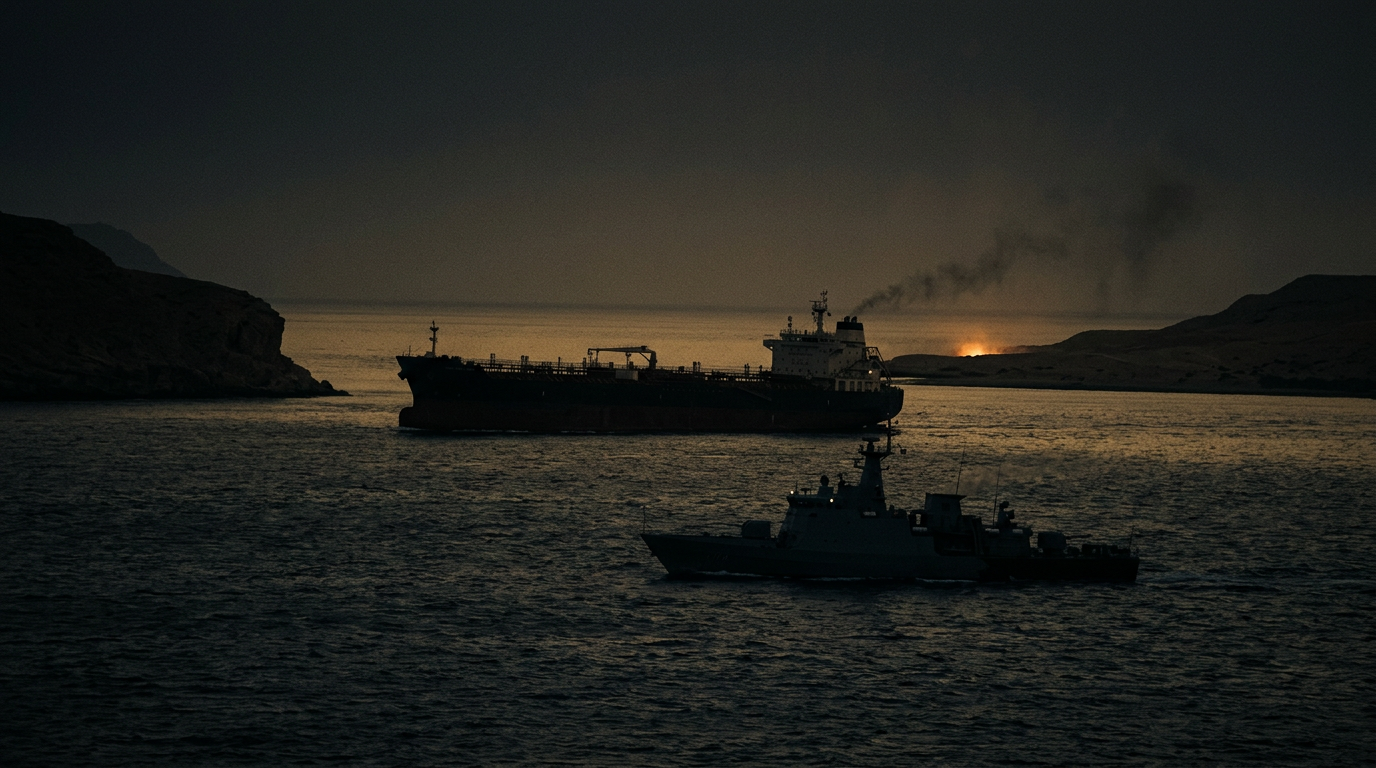
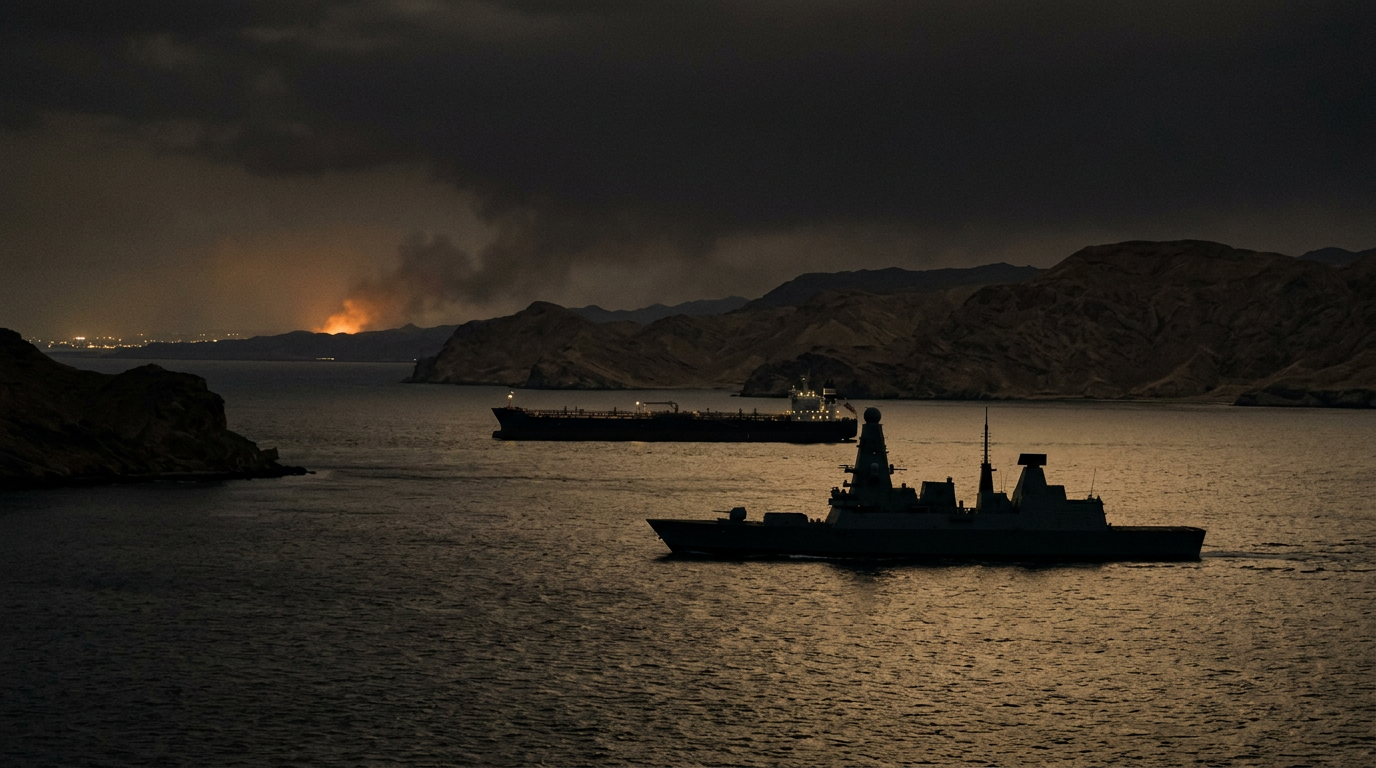
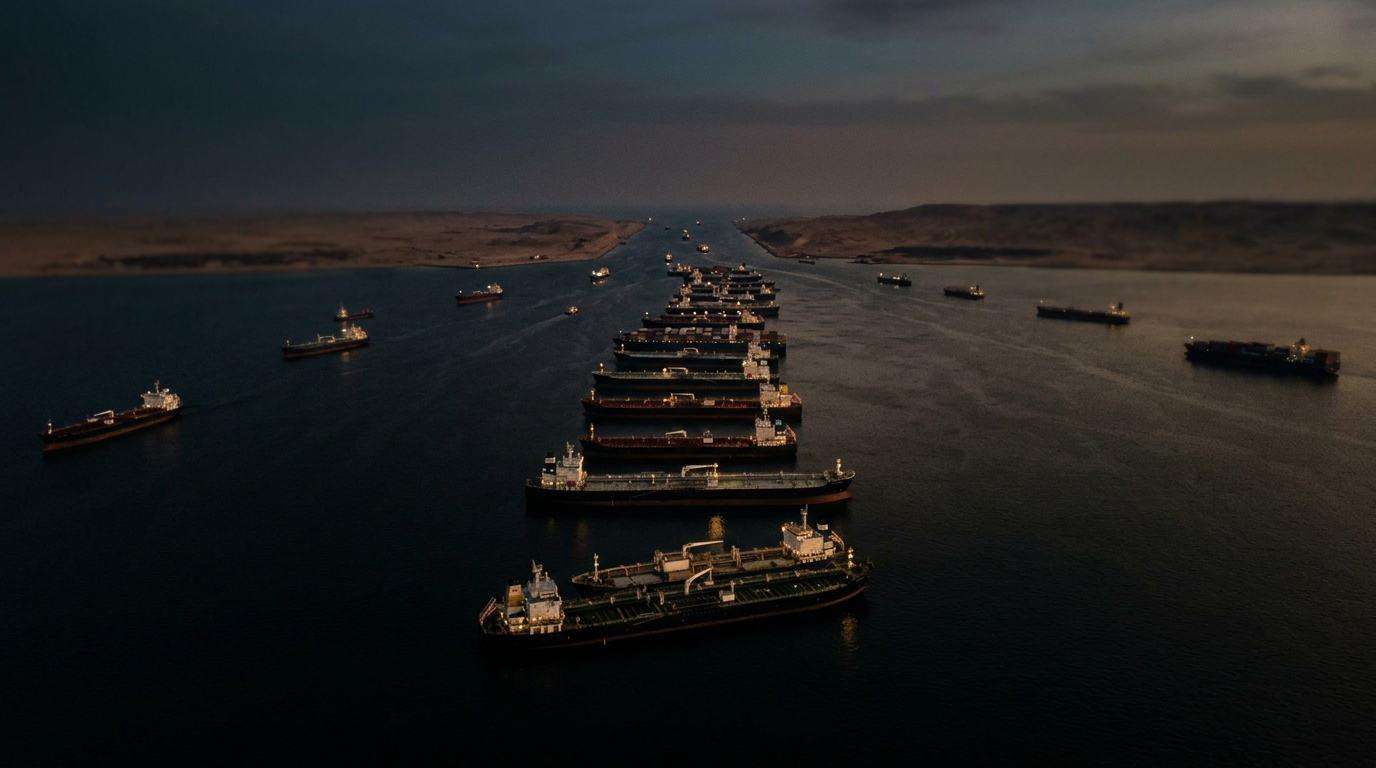
Brent broke $100 as Houthi enforcement fell unevenly across the Red Sea. Open-source analysis indicates passage is being decided by flag, ownership and crew nationality rather than by cargo. For anyone routing people or freight through the corridor, affiliation is now the risk variable.
Listen
A second maritime front opens on Saudi oil, the Suez workaround is only half an answer, war-risk cover is holding but crews are not moving, and the UK's Martyn's Law standard is being set now.
Listen
Wednesday 22 July. Hormuz strikes into a tenth night, the Houthis open a second front in the Red Sea, war-risk cover reprices the Gulf, Martyn's Law firms up, and the Haiti force lands understrength.
Listen
Hormuz stays shut and the fight widens across the Gulf, war-risk cover settles into eight figures a voyage, Congress weighs Haiti's Gang Suppression Force, Mali's fuel siege grinds on, and executive protection pushes into the digital home.
Listen
Your one-scroll read on the day's intelligence for close-protection and security professionals.
Listen
The Gulf war runs into a second week with the blockade holding, war-risk cover stays punishing, the World Cup final locks down MetLife, Haiti's suppression force meets its 90-day review understrength, Mali runs on escorted convoys, and the UK's Martyn's Law tiers and CP refresher come into focus.
Listen
The Gulf war widens onto Iran's Gulf of Oman coast, war-risk cover jumps again, the World Cup final locks down MetLife, Haiti's suppression force meets its 90-day review, Mali runs on escorted convoys, and the UK's Martyn's Law guidance nears.
Listen
Hormuz into a second week, Iran's oil relief expires, war-risk hits eight figures, Haiti's suppression force under review, Mali's siege eases, the Gulf hubs go amber, and the World Cup final locks down.
Listen
The US hits Greater Tunb in a second wave as Trump warns Iran to make a deal; the oil market prices two chokepoints at once; the Iran oil wind-down shuts tomorrow; the Sahel and Haiti stay grim; and the World Cup final brings the security season to a close. The day's intelligence in one place.
Listen
The Gulf war widens onto Kuwait and Bahrain as the US blockade returns; the Houthis threaten a second chokepoint; the Iran oil wind-down shuts Friday; and the Sahel and Haiti stay grim. The day's intelligence in one place.
Listen
Hormuz back at war after a fatal tanker strike and a US blockade; war-risk cover hard at 5%; the Iran oil-trade window shuts Friday; World Cup security peaks for the final; Martyn's Law takes shape; and Threat Level on Mali and Haiti.
Listen
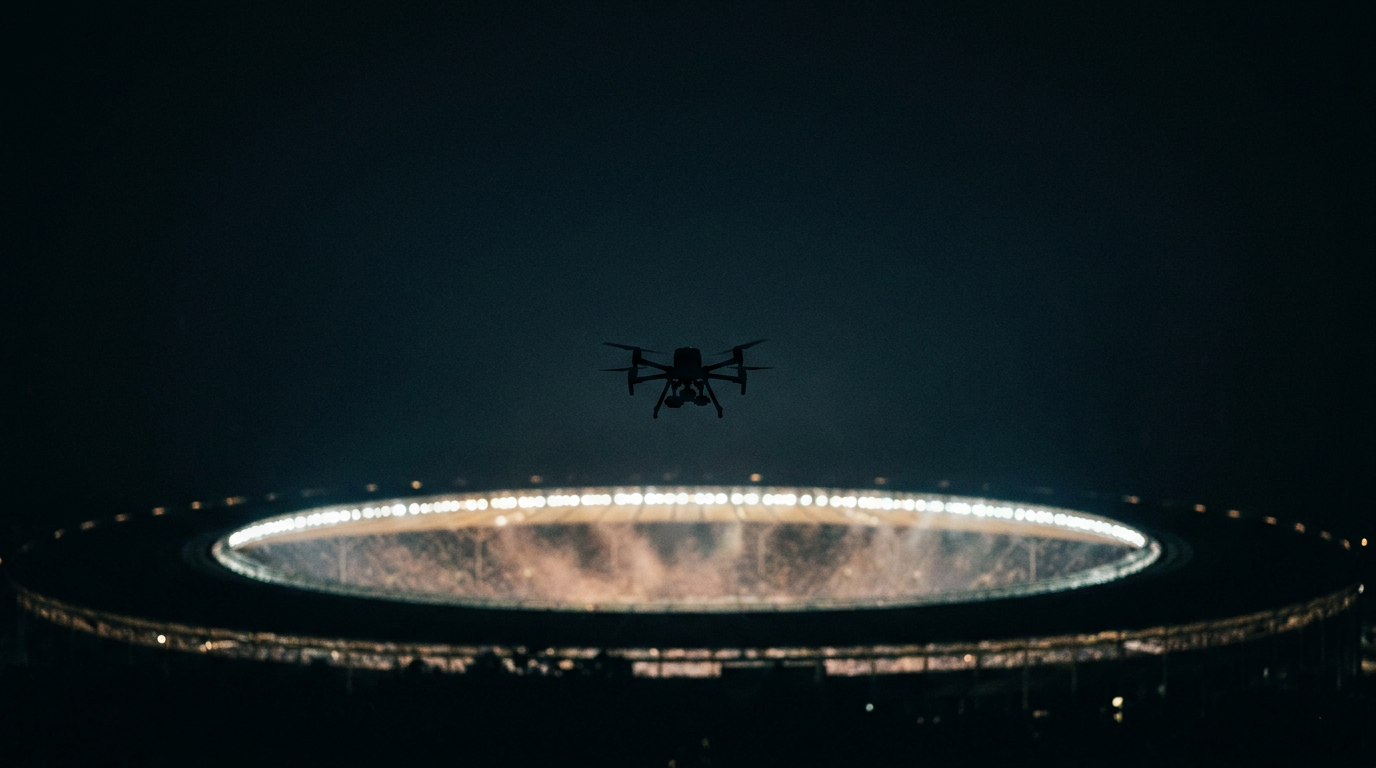
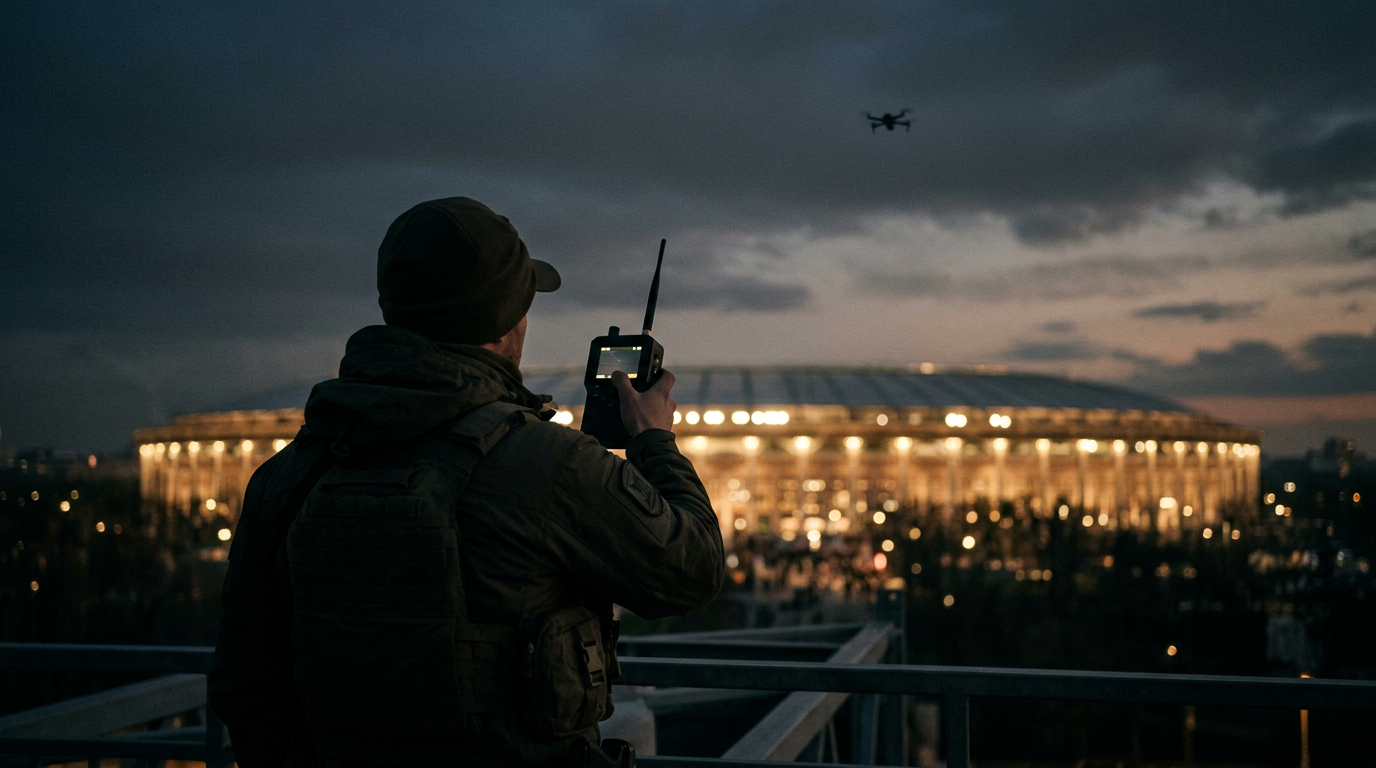
Hormuz reopening hinges on an Omani fee proposal Washington rejects; war-risk cover settles at a five percent floor as owners stop sailing; the World Cup counter-drone operation hits its peak week; the SIA refresher gate bites on CP renewals; plus Mali's fuel war, Haiti's understrength suppression force, and the electronic fog over the Gulf.
Listen
Hormuz empties to a trickle, the war-risk market freezes on falling demand, OFAC's Iran oil licence closes on 17 July, the World Cup hits its semifinals, Mali's fuel siege grinds on, and Haiti's suppression force lands thin.
Listen
Hormuz becomes a fight over reopening, war-risk cover hardens to five percent, the World Cup enters its final week, Martyn's Law takes shape, the electronic fog thickens over the Gulf, and Mali's fuel siege grinds on.
Listen
The Gulf war passes a week and the strait stops moving; Iran buries Khamenei with its new leader unseen; OFAC's Iran-oil clock runs to 17 July; the World Cup narrows to US soil; and Haiti's suppression force lands undermanned.
Listen
The Gulf war restarts — three tankers hit in Hormuz, US strikes on Iran, and Washington calls last month's interim deal over; Khamenei is buried in Mashhad today as the funeral corridor clears; war-risk premiums jump again; NATO's Ankara summit closes on $50bn of orders; the SIA moves to pilot inspections on Martyn's Law; and GNSS spoofing is back at full intensity across the Gulf.
Listen
Khamenei's funeral reaches Iraq with burial in Mashhad tomorrow and the Doha track paused around it; the Red Sea's fragile quiet takes an unclaimed hit off Hodeida days before the UN's watch expires; NATO closes in Ankara on tens of billions in defence contracts; the SIA posts fresh enforcement figures as the Martyn's Law clock runs to spring 2027; and Washington's $40bn Hormuz insurance backstop still isn't being used.
Listen
Iran's funeral reaches Qom with burial Thursday and US-Iran talks frozen until it ends; the Red Sea's quiet breaks off Hodeida days before the UN's watch expires; NATO opens in Ankara on delivering the 5% pledge; a new US rule hands police counter-drone powers; and the NIJ body-armour standard goes live.
Listen
Funeral day in Tehran with the city sealed and the US-Iran track frozen; the Red Sea's quiet breaks off Hodeida; DHS confirms a breach of its event-security coordination network; ADT's UK residential arm sells for £180m; and the SIA's spring-2027 clock firms up.
Listen
Iran's funeral week closes Tehran's airspace and freezes the US-Iran track; Hormuz moves but stays expensive; NATO heads to Ankara under a 40,000-strong lockdown; the World Cup runs into its final fortnight; and Bamako tightens under blockade.
Listen
Doha talks show progress while Iran hardens its Hormuz routing warning, the Red Sea holds quiet ahead of a 15 July UN vote, NATO gives industry its own day in Ankara, the SIA's Martyn's Law clock runs, World Cup drone detections pass 1,100, and JNIM's siege of Bamako deepens.
Listen
The Gulf war reaches Kuwait and Bahrain and talks stall, the Red Sea stays quiet on a hair-trigger, NATO heads to Ankara on the 5% pledge, the SIA turns Martyn's Law regulator, World Cup drone detections pass 1,100, and JNIM's siege of Bamako deepens.
Listen
The Hormuz understanding buckles as two ships are hit, war-risk premiums stay high, NATO heads to Ankara on the 5% pledge, the World Cup counter-drone count passes 300, new UK public-order offences commence, and JNIM's blockades squeeze the Sahel.
Listen
Executive targeting hits record levels, the SIA sweeps the night-time economy, deepfake fraud becomes a protection problem, and the Gulf travel map eases.
Listen
Hormuz reignites and the maritime threat level climbs, Europe's airports keep losing to cheap drones, and the SIA tightens procurement and fees. The day's intelligence for operators.
Listen
Two merchant ships hit inside 48 hours and fresh US strikes on Iranian targets have broken the calm that followed June's Islamabad accord. Anyone routing principals, crews or cargo through the Gulf is back to a contested-transit posture.
Listen
The 17 June ceasefire lasted ten days. After drone attacks on shipping in the Strait of Hormuz, US strikes on Iranian military sites and Iranian missiles on Gulf bases, the strait is contested again and the talks have stalled. For operators, Gulf transit and basing risk is live.
Listen
The Hormuz ceasefire buckles into open strikes, Gulf basing risk is live, war-risk premiums dig in, and the World Cup airspace stays locked. Today's signals, tight.
Listen
Bürgenstock buys 60 days, Hormuz keeps moving, Montreal shows what lone-actor looks like, and the World Cup's drone war hardens. Today's signals, tight.
Listen
The first round of US–Iran talks closed with a phased plan and a de-confliction channel for the strait. Iran 'declared it closed' at the weekend; the ships kept moving. For operators, that gap between signal and reality is the brief.
Listen
Talks resume at the Bürgenstock with Vance arriving, even as Iran's Hormuz closure order and CENTCOM's transit count openly contradict each other. Southern Lebanon is the most likely trigger for a reversal. And the protective focus shifts to Belgium v Iran at SoFi tonight.
Listen
US and Iranian delegations are back at the Bürgenstock on Sunday, with Vice-President Vance arriving to join the negotiation, days after Iran declared the Strait of Hormuz closed. A deal is being talked up again, but the gap between the table and the water is the operating picture. Treat any "great deal" line as a milestone, not a stand-down.
Listen
Hormuz gives off two opposite signals in one day: 55 ships transit while Iran declares the strait closed. War-risk cover, not the press conference, is the real gate on reopening. And the World Cup security picture sharpens ahead of Iran's second match.
Listen
On Saturday CENTCOM logged 55 merchant ships and 17 million barrels of oil through the Strait of Hormuz. The same day, Iran's central military command declared the strait closed and the IRGC Navy told vessels to stay out. Two official signals, opposite directions. Plan on the contradiction, not either headline.
Listen
The US-Iran memorandum is signed in Switzerland today, but the strait, the insurance market and the airspace are all running behind the headline. Plus the Houthi threat back in the southern Red Sea, the World Cup executive-protection picture, and a hard look at what is actually in the kit.
Listen
The US-Iran memorandum is set to be signed in Switzerland today, and Washington has already declared the deal complete and authorised lifting the naval blockade. The ground reality is slower: only a handful of ships have transited Hormuz, Tehran has not put its own name to a public ceremony, and the ceasefire is a 60-day clock. Treat the signature as a milestone, not a reset.
Listen
The US-Iran signing is locked for Friday at the Bürgenstock, but the blockade and the airspace rules have not moved with it. Plus a layered soft-target plot disrupted in the US, more consolidation in the sector, tighter SIA training rules, a TCCC head-injury rewrite, and Britain funding a GPS backstop.
Listen
The FBI says it disrupted a plan to detonate explosive-laden drones over a UFC event at the White House to force a mass evacuation, then shoot high-value targets along the escape routes. No drones were recovered and the concept was still in research, but the layered method is the lesson for anyone running event security.
Listen
Switzerland has confirmed the memorandum will be signed on Friday 19 June at the Bürgenstock resort, with Pakistan and Qatar as mediators. Tehran has not independently confirmed it, the US naval blockade remains in force until completion, and zero frozen assets have moved. For operators, the gap between the announcement and the operating reality is the whole story.
Listen
A US-Iran deal signed on paper but a strait still running dark, comprehensive counter-drone coverage at the World Cup with the legal authority built on the fly, the Gang Suppression Force standing up in Haiti, the Martyn's Law clock running, and the FAA's hardened GNSS-interference drill.
Listen
A White House official says every US match and one fan fest per host city has counter-drone coverage. Behind that, the legal authority for state and local agencies is being expanded and trained up mid-tournament — a template that will outlast the World Cup.
Listen
The framework to end the war, lift the US naval blockade and reopen the strait was digitally signed mid-week, with a formal signing in Switzerland due in the coming days. For operators the gap matters: the agreement is political, the strait is still physically constrained, and Israel is not a party.
Listen
World Cup security convergence leads; Mali and Haiti dominate the threat board; Martyn's Law enforcement takes shape; and the 2026 tourniquet rule changes.
Listen
With the tournament under way across 16 cities, DHS has committed $365m to event security technology, 400-plus agencies are involved, and counter-drone, facial recognition and AI surveillance are being fielded at scale. The kit and the playbook will stay in place long after July.
Listen
A US-Iran deal to end the war lands over the weekend, Lebanon and Hormuz inside it but the truce already strained; plus the Sahel and Ecuador threat picture, the Pakistan-Afghanistan border squeeze, body-armour standards and GNSS denial.
Listen
Trump and Pakistan's PM say a memorandum of understanding is agreed, with signing set for Friday in Switzerland. It covers a Lebanon ceasefire and the reopening of the Strait of Hormuz — but Israel says it isn't bound by the Lebanon terms.
Listen
Today's signals: Israel strikes Beirut as Hezbollah drones fly and a US-Iran deal wobbles, the Sahel kidnap model shifts, security M&A consolidates, the SIA raises the bar, and body armour gets a new standard.
Listen
Israeli aircraft hit a Hezbollah command site in Beirut's Dahiyeh on 14 June after drones crossed into northern Israel. Three reported dead, Iran threatening a response, and a US-Iran deal hanging in the balance.
Listen
Today's signals for protective operations: GPS denial gets a name, the Gulf stays hot, the Pakistan–Afghan border reopens, Martyn's Law switches on Monday, and counter-drone goes mainstream.
Listen
A peer-reviewed study ties 75 GPS interference events across Europe to a Russian early-warning satellite. Satellite navigation can no longer be treated as a dependable primary for moving a principal.


Listen
The World Cup opens under the biggest security operation in tournament history; France's wrench-attack wave hits 41 cases; Martyn's Law consultation closes tonight; GPS denial moves into the advance checklist.
Listen
The biggest security operation in tournament history is now operational. Mexico's opener went ahead on schedule — but protesters reached the police lines at the Azteca first, and that's the day-one lesson for protective teams.
Listen