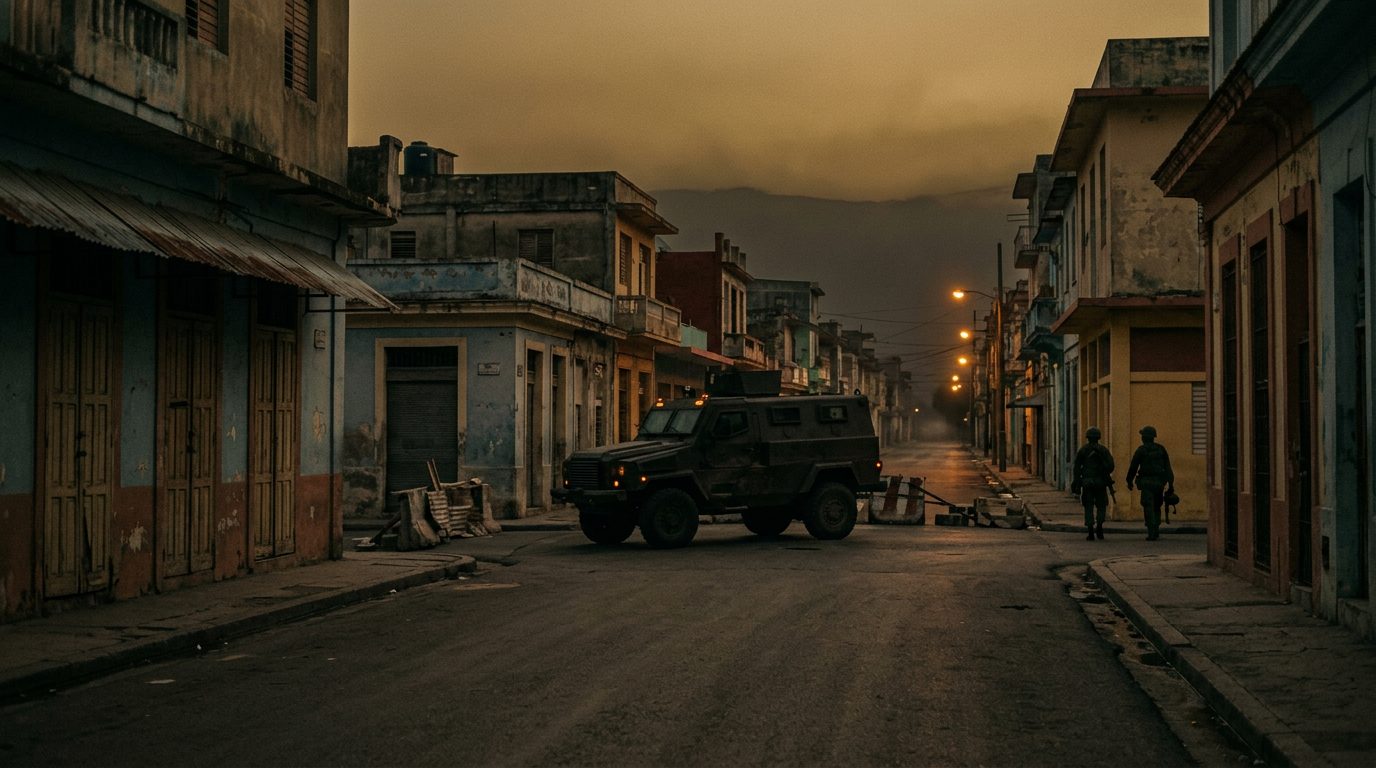
Haiti returns to the UN Security Council this month for its 90-day review, and the numbers set the tone. The Gang Suppression Force — the UN-backed operation that replaced the Kenyan-led Multinational Security Support mission — has roughly 1,000 personnel on the ground against an authorised ceiling of 5,550 (5,500 uniformed, 50 civilian). It is, in the Council's own framing, still in an early deployment phase, and is not expected to reach full operational capacity before October.
The July session is due to hear the Secretary-General's latest report on the UN office in Haiti, briefings from the Special Representative and from the UN's drugs-and-crime office on transnational organised crime, and possibly from the GSF's own leadership, before closed consultations. The support office set up to sustain the force, UNSOH, has been fully operational since 1 April, handling logistics, medical support, transport and troop rotation. But the force's personnel costs rest on voluntary contributions, and the wider humanitarian appeal for Haiti remains underfunded — the structural weakness that could stall tempo regardless of what the mandate says.
The threat the force is being fed into is severe. Armed groups control an estimated 90 per cent of the capital. UN figures for the first quarter of 2026 record 1,642 people killed and 745 injured, with 69 per cent of casualties occurring during security operations and 196 non-gang civilians killed in the course of them. At least 69 people were killed or injured by explosive drones, including five children. Internal displacement has reached about 1.47 million, including more than 300,000 in the Port-au-Prince metropolitan area.
For anyone running duty of care into Haiti — NGO security, diplomatic support, corporate crisis and evacuation planning — the takeaway is that the security backstop is real but thin, and will not reach designed strength until the fourth quarter at the earliest. Funding-by-pledge means the schedule can slip. Kidnap-for-ransom and now drone-augmented gang tactics remain the planning drivers. Keep airport-corridor access, hardened accommodation and a self-reliant extraction option at the centre of any plan; do not assume the GSF's presence changes the ground picture for civilians yet.