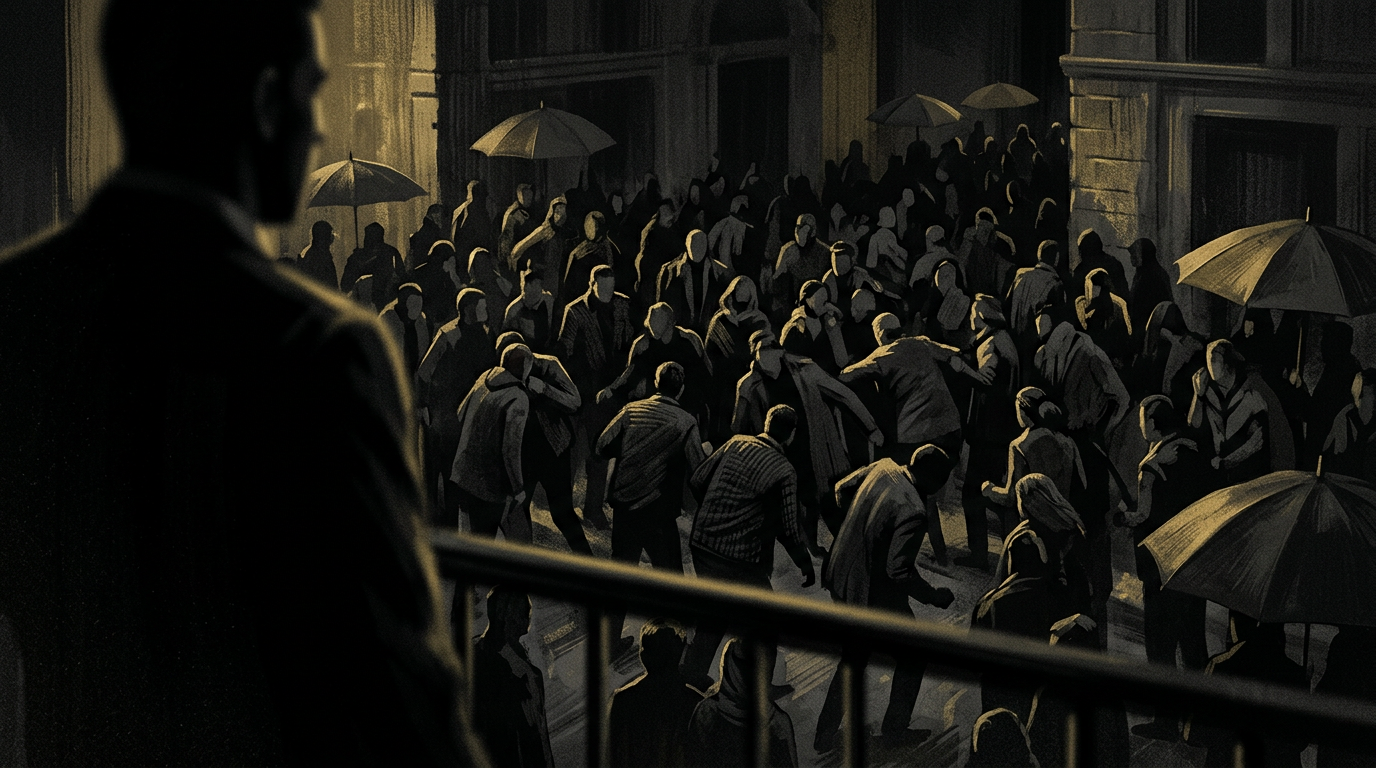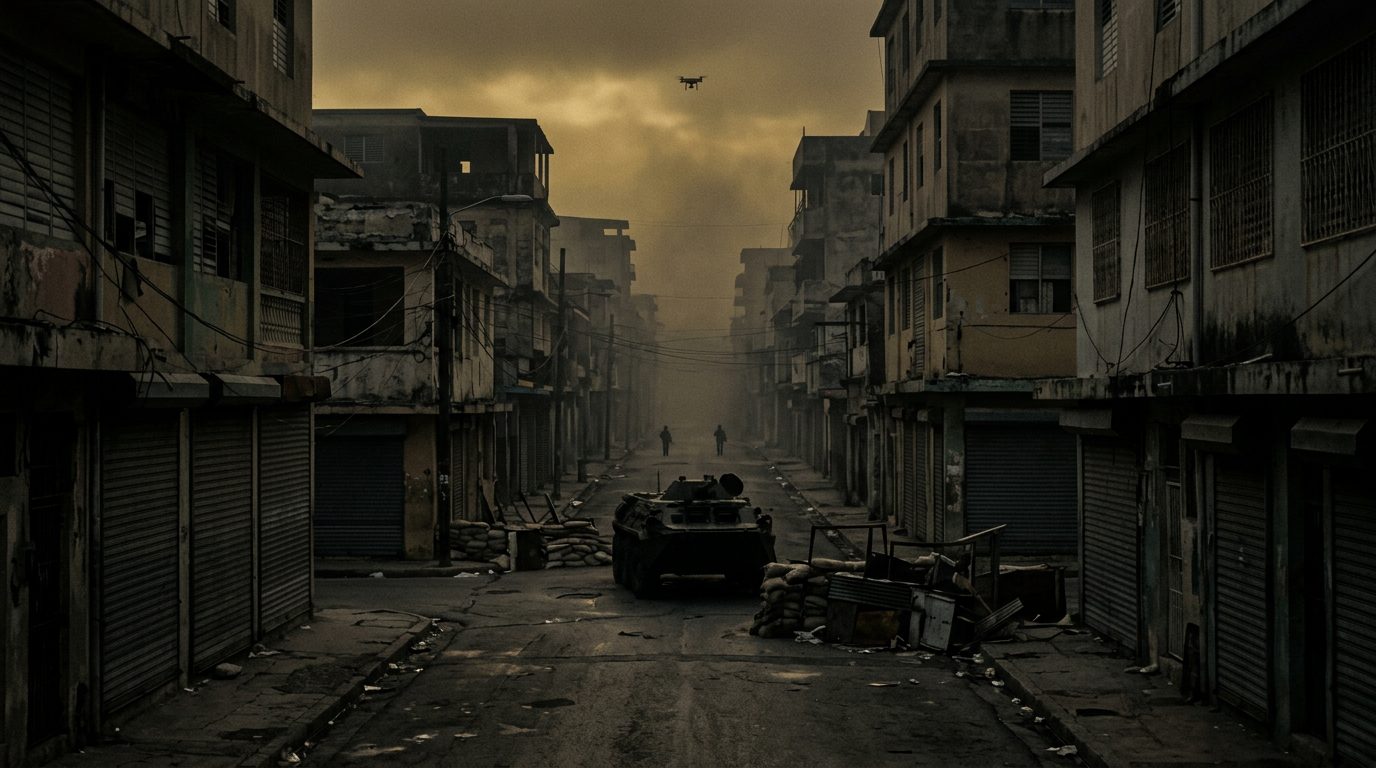
Haiti returns to the Security Council this month for its 90-day briefing, and the numbers going in are grim. The UN-backed Gang Suppression Force, authorised at 5,550, has only about 1,000 personnel on the ground, with full operational capacity not expected until October. It is meant to work alongside the Haitian National Police against gangs that control much of Port-au-Prince.
BINUH, the UN office in Haiti, recorded 1,642 people killed and 745 injured in the first quarter of this year. Nearly 200 of the dead were not associated with gangs, and at least 69 people were killed or injured by explosive drones, including five children. The Council is due to hear from BINUH chief Carlos Ruiz Massieu, UNODC's Monica Juma and the force's Jack Christofides.
Operations have clawed back ground in some neighbourhoods, but the reporting is candid that holding it stays uncertain while the force is this far under strength.
For operators, Haiti remains a hard-environment, specialist-only theatre. Kidnap-for-ransom and armed carjacking are the dominant risks, gang territory shifts week to week, and the airport and main routes open and close with the fighting. Anyone tasking here needs current ground intelligence, armoured movement and a credible extraction plan, and should read the under-strength force as a reason the picture stays volatile, not a sign it is stabilising.