Haiti returns to the UN Security Council this month for its 90-day briefing, with the Secretary-General's report due around 14 July. It arrives with the new Gang Suppression Force still thin on the ground.
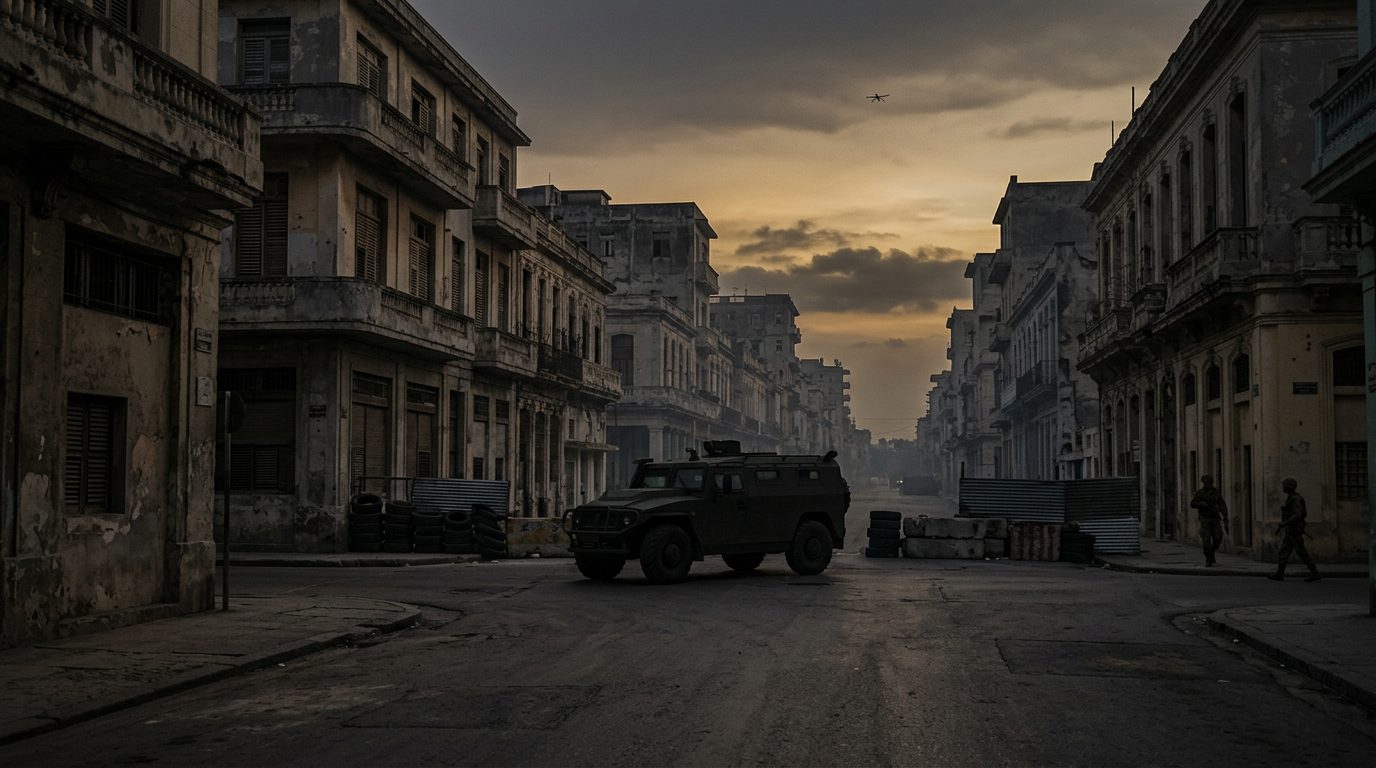
The GSF, authorised in September 2025 under Resolution 2793, has roughly 1,000 personnel deployed against an authorised ceiling of 5,550, and is not expected to reach full operational capacity until October. The last contingent of the earlier Kenyan-led mission departed in April. In practice that leaves the Haitian National Police carrying the fight, sometimes supported by the GSF and by a private military company, against gangs that still control most of Port-au-Prince.
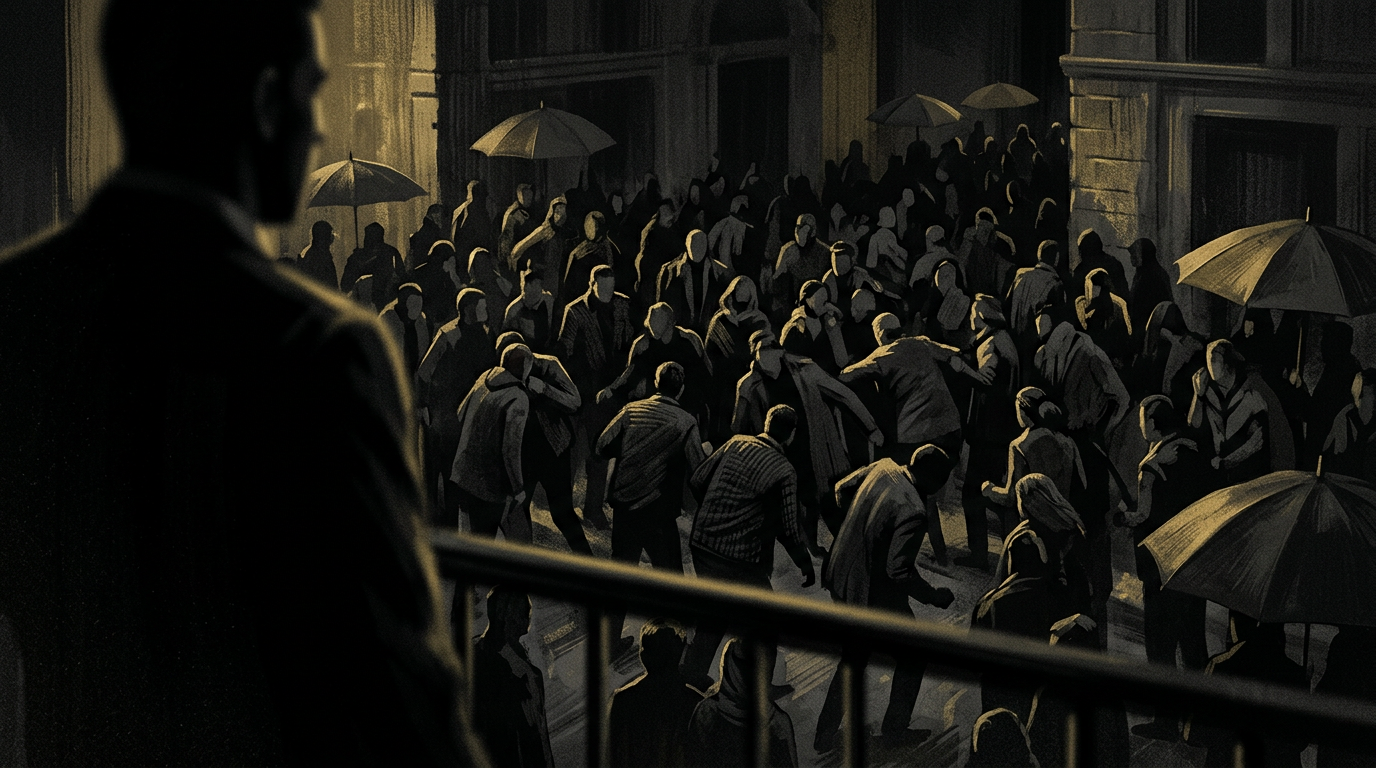
The human cost is heavy and, notably, much of it is being recorded around the security response itself. The UN's BINUH office documented 1,642 people killed and 745 injured in the January to March 2026 period. By its accounting, 69 per cent of those casualties occurred during security force operations against gangs, with 196 civilians killed in the course of operations, alongside deaths attributed directly to the gangs. BINUH also recorded dozens of casualties, including children, from explosive drones used by a private military contractor. Internal displacement has reached about 1.47 million people.
For any organisation with a footprint or duty of care in Haiti, the read is unchanged but sharper: an understrength international force, a police-led fight that is itself generating civilian harm, and a capital where movement, kidnap and crossfire risk remain extreme. This is a specialist, hard-environment task, not a permissive one.