The force meant to break gang control of Port-au-Prince is still a fraction of its mandated size, and the gap is the story.
The UN Security Council-backed Gang Suppression Force is authorised at 5,550 personnel but has roughly 1,000 on the ground, and it is not expected to reach full operational capacity until October. Kenyan forces from the earlier mission departed in April, and Chad and other new contributors are only now deploying. Against that, at least 26 armed gangs control perhaps up to 90 percent of the capital and surrounding areas.
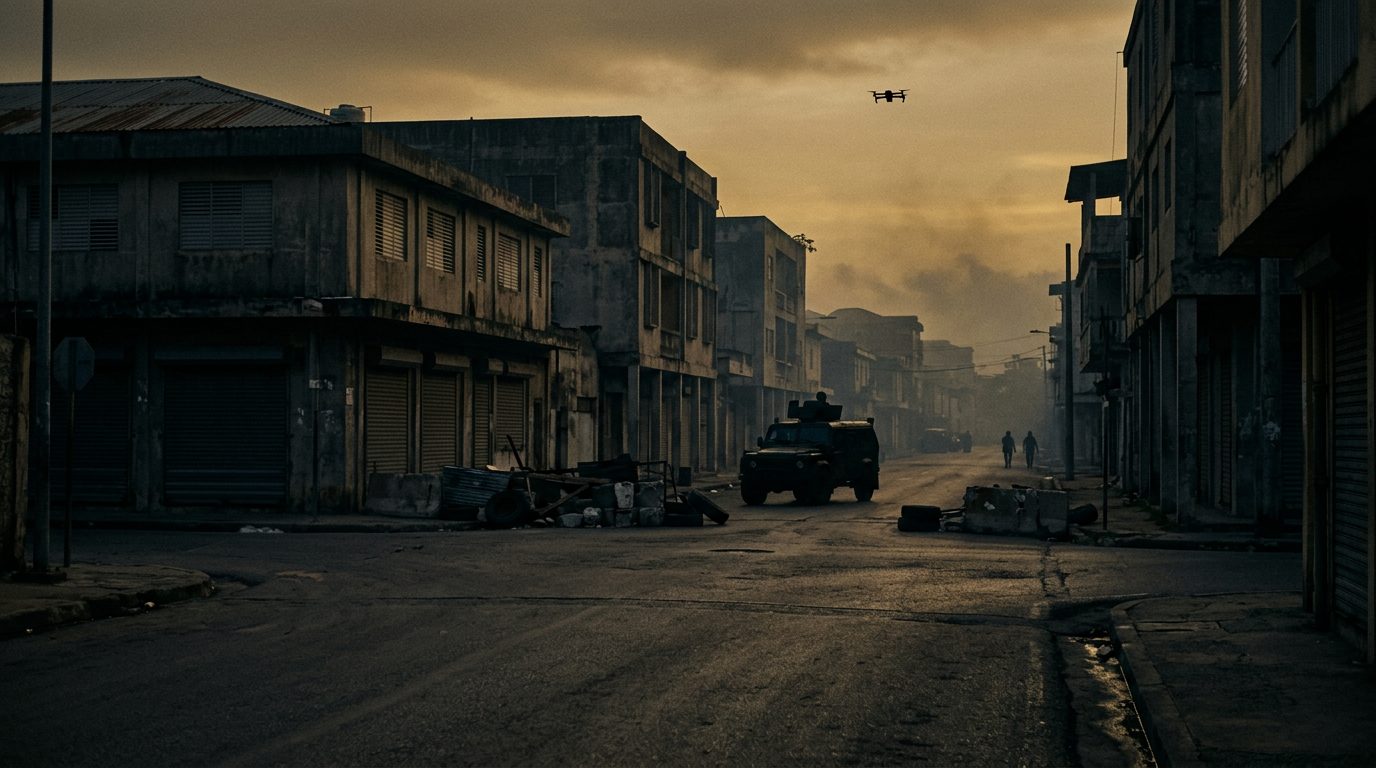
The violence data is stark and, notably, does not all come from the gangs. Between January and March 2026 the UN documented 1,642 people killed and 745 injured, with 69 percent of casualties occurring during security-force operations against gangs. At least 69 civilians were killed or injured by explosive drones, five of them children — munitions tied to Haitian security operations and a contracted private military company. The Secretary-General has warned that if 2026 matches last year, elements of the Haitian response could be listed for grave violations against children.
The Security Council takes its 90-day briefing on Haiti this month, with the Secretary-General's report due mid-July — a marker for whether the force's build-up and mandate get reinforced.
For operators, Haiti remains a non-permissive environment where the arrival of a suppression force has not yet changed the ground truth and has added airborne munition risk to the picture. Port-au-Prince movement, including the airport approaches, stays a specialist task requiring armour, local fixers and hard extraction planning. Treat the drone and airstrike dimension as a genuine hazard to static locations, not only the gang threat, and do not read the GSF's presence as a security guarantee until it is near strength.