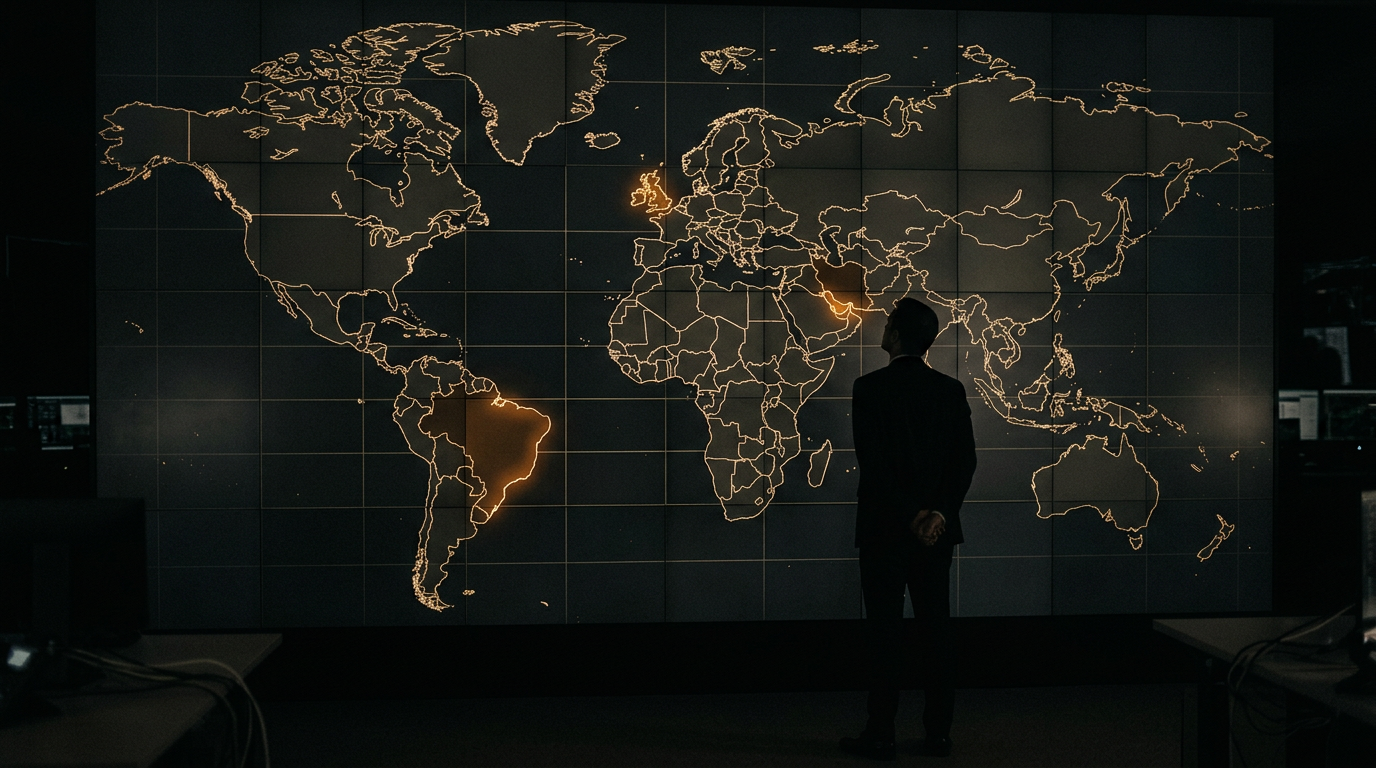
Strait of Hormuz - SUBSTANTIAL. The Joint Maritime Information Center and UKMTO lifted the regional maritime threat level after merchant vessels were struck in late June (see today's lead). Sea-mine risk, GPS interference and conflicting transit guidance make the waterway a contested-transit zone. Treat any crew change, charter or movement through the strait as active-theatre planning.
Venezuela - acute high-risk operating environment. Twin quakes of magnitude 7.2 and 7.5 struck on 24 June, devastating La Guaira and Caracas. Per PBS, the death toll has passed 1,400 and is rising, infrastructure is crippled, and Simon Bolivar International Airport is down to a single operational runway. Acting President Delcy Rodriguez says more than 14,000 military and police are patrolling, access is blocked, and special permits are required to enter affected zones. For any crisis-response, NGO-protection or evacuation task: expect degraded power, comms and medical capacity, blocked routes, permit-controlled access and rising public frustration. Plan for self-sufficiency and tight liaison with authorities.
United Kingdom - SEVERE. The national threat level from terrorism remains SEVERE, meaning an attack is assessed as highly likely (JTAC/MI5). Expect sustained armed presence and screening at transport hubs and crowded places. Keep counter-terror baseline measures, including hostile-reconnaissance awareness and dynamic lockdown plans, live on UK tasks.
Contested European airspace. Baltic and Eastern European airports continue to face drone incursions (see today's threat-risk post). Build potential ground holds and diversions into any air movement through the region.
Bottom line: three distinct profiles. A kinetic maritime theatre in the Gulf, a degraded-infrastructure disaster zone in Venezuela, and a sustained domestic terror threat at home. Match the posture to the environment rather than carrying one template across all three.