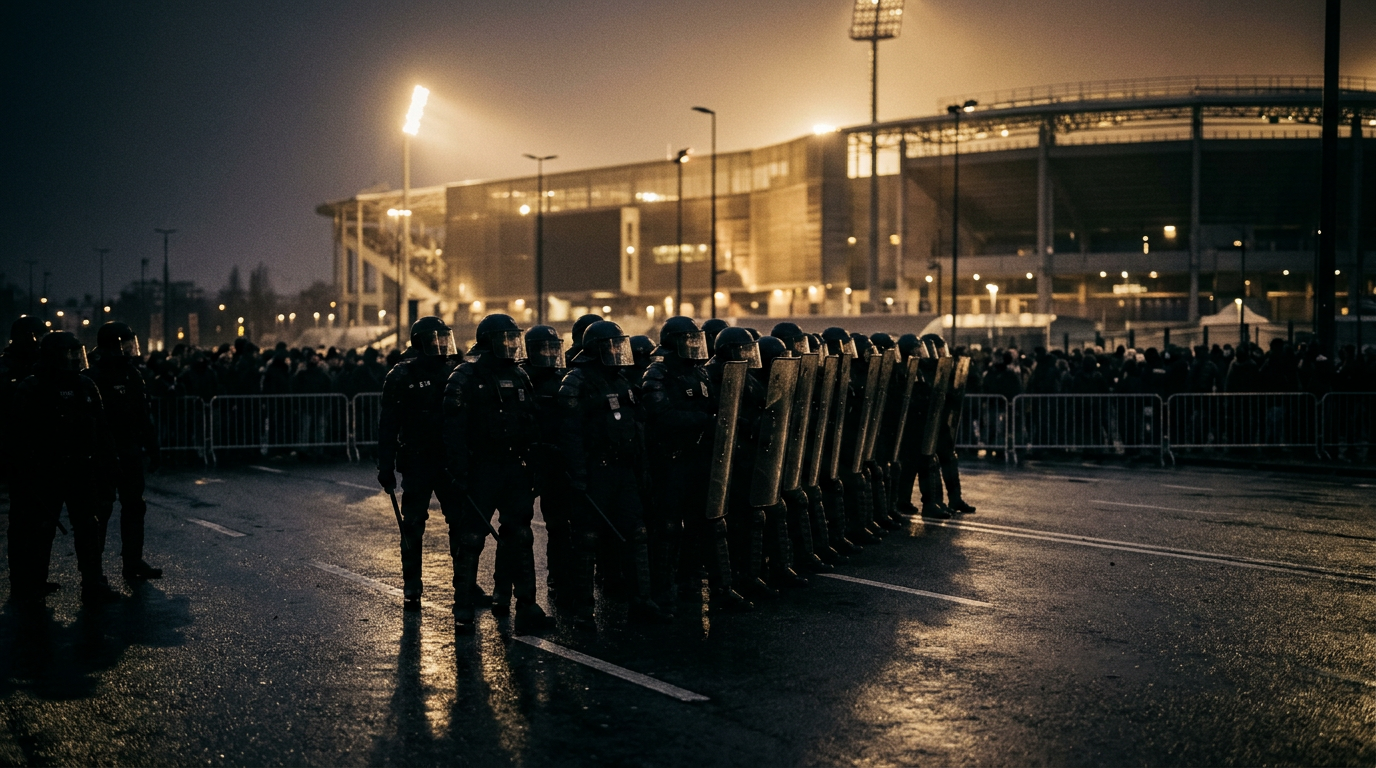
As the FIFA World Cup opened at the Estadio Azteca in Mexico City on 11 June, demonstrators threw rocks and bottles at riot police outside the ground. Police responded with baton charges and made arrests; authorities said the situation was brought under control quickly.
The protest was not a fringe event. It drew teachers' unions, families of Mexico's roughly 130,000 missing persons, and anti-austerity groups who had blocked access to the main fan festival plaza for over a week before kick-off. More than 100,000 soldiers, National Guard and police were deployed across the three Mexican host cities. It also followed pre-tournament violence in the United States, including a stabbing that injured six at New York's Penn Station on 8 June and a shooting near England's training base in Kansas City on 7 June.
The lesson for event and protective teams is the one that gets under-resourced: at a tournament staged across contested political contexts, the disruptive threat is as likely to come from organised domestic grievance as from terrorism or ordinary crime. That puts the premium on intelligence-led threat assessment, hard crowd segregation between fans and protest movements, and route planning for principals that keeps them clear of predictable flashpoints — well before they form.